

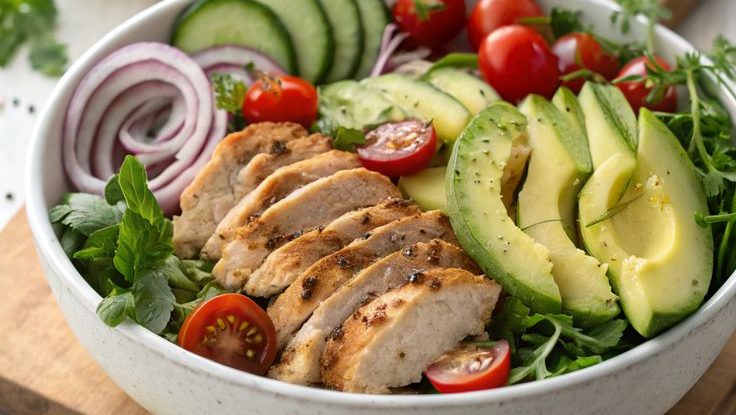
If you have spent any time on TikTok or Instagram in the past two years, you will have seen the glossy, colour-packed plates of nutritionist Emily English. Known online as em the nutritionist, she has built a following of more than two million people by proving that healthy food can look and taste as good as anything on a restaurant menu. Her cookbook So Good: Food You Want to Eat, Eat Designed by a Nutritionist became a number one Sunday Times bestseller in 2024, and bestselling cookbooks like hers can influence Healthy Eating Trends across the entire industry. Social media is a platform for nutritionists to share recipes and tips, and Emily English’s recipes have become some of the most saved, shared and searched-for content in the UK food space. This article is not a step-by-step recipe list. It is a guide to her style, her influence, and why trade professionals – caterers, operators and food brands – should be paying attention.
Who Is Emily English? From Nutrition Grad to Social Media Powerhouse
Emily earned a BSc in Nutrition from King’s College London, worked in gut health clinics, then pivoted into digital content around 2019. The lockdown cooking boom supercharged her reach; by 2024, millions of followers were watching her build chicken salad bowls, cottage cheese toast and blender pasta in under sixty seconds. She is a bestselling author twice over – So Good was followed by Live to Eat – and her latest title, So Good Express, targets speed and minimal effort for busy households. Nutritionist Emily English shares popular lighter takes on traditional English foods, and Emily English adapts classic dishes to make them nutritionist-approved. For FEAST’s trade audience, she is a live barometer of what younger diners want on their plate.
What Makes Emily English Recipes So Appealing?
The formula is deceptively simple: colour, protein, texture and speed. Every plate starts with a generous protein centre, layers in fibre and healthy fats, then finishes with flavour boosters that make the whole thing satisfying rather than virtuous. Her go tos include cooked chicken breast in salad bowls, cottage cheese in sweet and savoury dishes, salmon traybakes, and yogurt-based dressings. Visually, expect a drizzle of olive oil, scattered parsley and basil, pickled red onion, cherry tomatoes and a handful of seeds. Romesco sauce – which combines roasted peppers, garlic, and almonds – or a spoonful of mustard dressing lifts a midweek dinner into something delicious. Two whole eggs provide around 12g of protein, and she often adds extra protein through egg whites or a scoop of cottage cheese. Healthy eating can be achieved with enjoyable meal preparation, and that idea sits at the heart of every video she posts. High-protein recipes can be healthier alternatives to traditional dishes without feeling like a compromise.
Nutrition First, But Never at the Expense of Flavour
Emily constructs meals around roughly 30g of protein per serve, then adds fibre, healthy fats and colour. Nutritionists often promote dishes that are gut-friendly and rich in protein, and her content follows this principle precisely. Think high-protein cinnamon French toast, Thai prawn meatballs with fresh coriander, Greek lemon chicken platters, and salmon puttanesca pasta. She treats olive oil, nuts, creamy avocado and seeds as non-negotiable flavour boosters – never guilty extras. Portions are generous, sauces are bold, and the overall taste is restaurant-level. Emily English focuses on balancing nutrition without sacrificing flavor, and that balance is why her audience keeps growing.
Designed for Real Life: Batch Cooking, Lunch Boxes and Desk Snacks
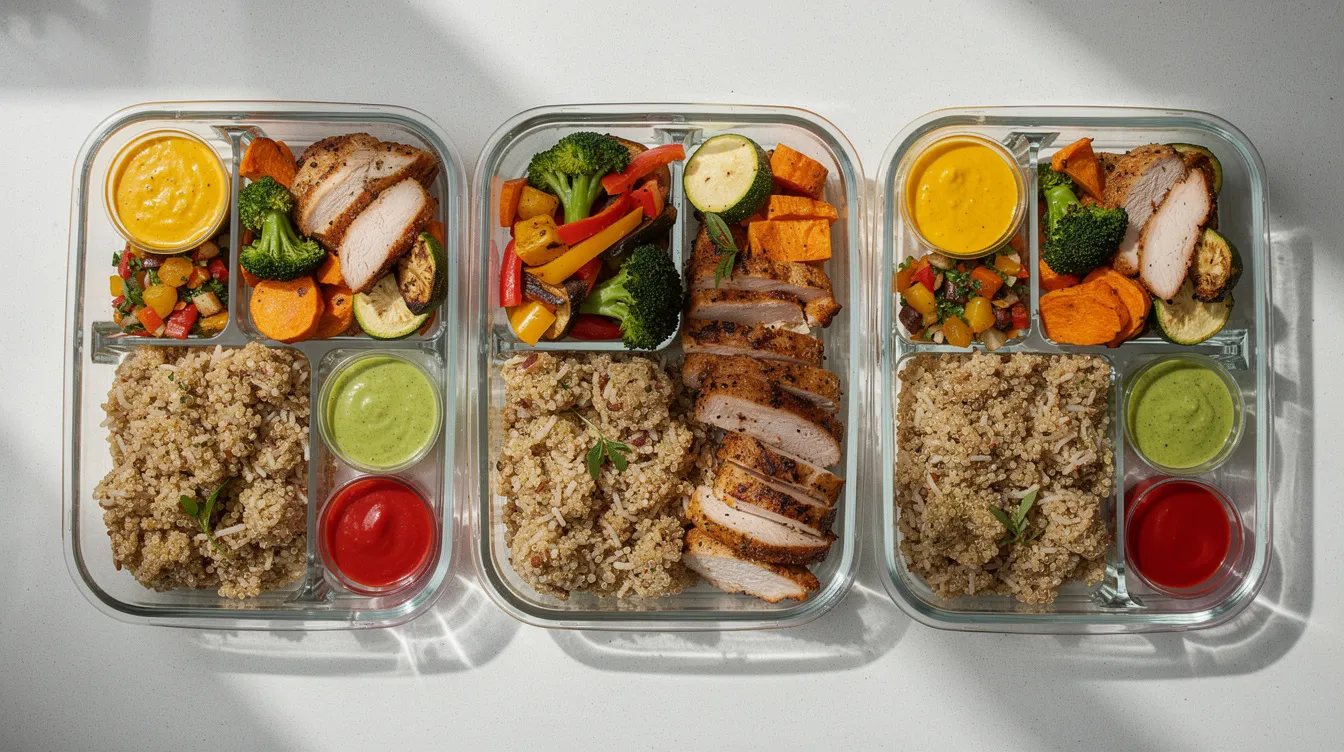
Her Eat Designed philosophy connects directly to busy weekday routines and easy meal prep ideas. The Ultimate Chicken Salad lasts three days in the fridge. The Glow Bowl is great for meal prep and stores well. One-bowl salads are quick to prepare and full of flavor. Cottage cheese pancakes provide protein and can be prepped ahead. She repositions the snack as a mini meal: spicy tuna on crispbreads, frittata squares, or cottage cheese toast with hot honey and chilli. For trade readers, the signal is clear – demand for grab-and-go, refrigerated, high-protein options is growing fast.
Healthy Home Cooking Is Booming – And Emily English Sits at the Centre
UK consumer interest in protein has surged: the share listing it as a top healthy food attribute rose from 17% to 27% between 2022 and 2025. Cottage cheese sales have tripled since 2023. Wholegrain sourdough boosts resistant starch content for gut health, and products carrying those claims are expanding shelf space. Chickpeas add extra fibre and protein to salads, and high-protein pasta made from chickpeas boosts protein content further still. Emily’s content bridges the gap between these products and real-life meals, doing soft education for the entire nutrition category. Cottage cheese pancakes provide protein and fibre for gut health – a fact that helped normalise the ingredient for younger audiences.
Social Media Food Trends: From Morning Tacos to Glow Bowls
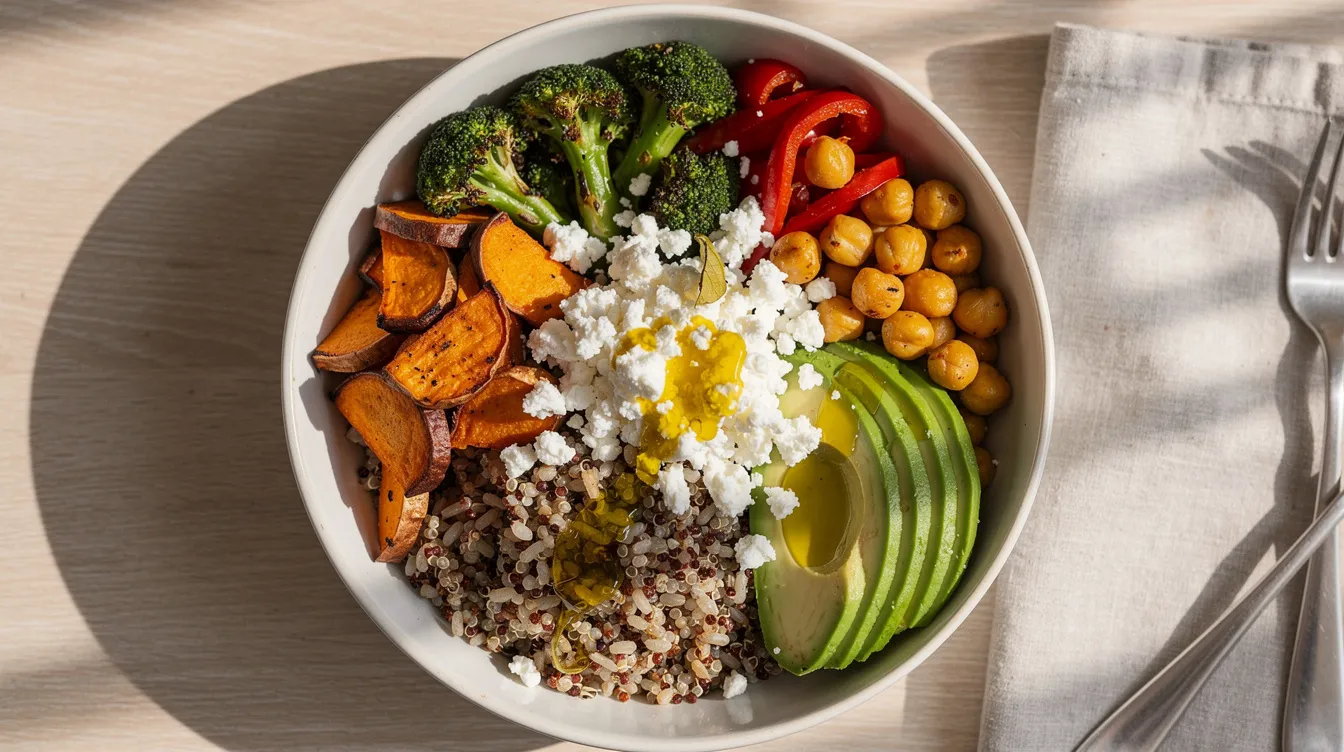
Short, visual recipe builds dominate platforms. Morning tacos are made with corn tortillas and hot chili sauce and take only 15 minutes to prepare. The Glow Bowl features grains, feta, and roasted squash. Creamy coconut Thai green noodles use fresh coriander and lime. Butternut mac and cheese uses roasted butternut for sauce. Emily optimises for engagement with top-down shots, quick cuts, spring onion and lemon garnishes, and macro call-outs. For FEAST’s B2B audience, these clips are a live focus group revealing which flavours, formats and claims – high protein, gut health, balanced carbs – resonate with consumers.
Why Emily English Recipes Matter for Restaurants and Caterers
Trade magazines often feature case studies and industry trends that help operators stay ahead. Caterers and hospitality venue owners form a significant customer base for food publications, and industry publications provide news and insights into the Food and Hospitality Sectors. Food and drink suppliers benefit from targeted advertising in trade publications whose readership can exceed 100,000 professionals. Operators who adapt Emily-style dishes – upgraded brunch plates, high-protein bowls, salad bars with yogurt dressings – position themselves where consumer demand is heading.
Building a Plate the Emily English Way
Think of every plate in four parts: protein centre, complex carbs, plants, and flavour toppers. High-protein building blocks include chicken breast, tinned tuna, prawns, salmon, eggs, Greek yogurt, cottage cheese, and lentils. Finish with a drizzle of olive oil, a squeeze of lemon juice, fresh herbs, a spoon of feta or grated parmesan, and crunchy seeds. Season with salt and pepper, and the result looks and tastes like something from a cookbook shoot.
Breakfast and Brunch
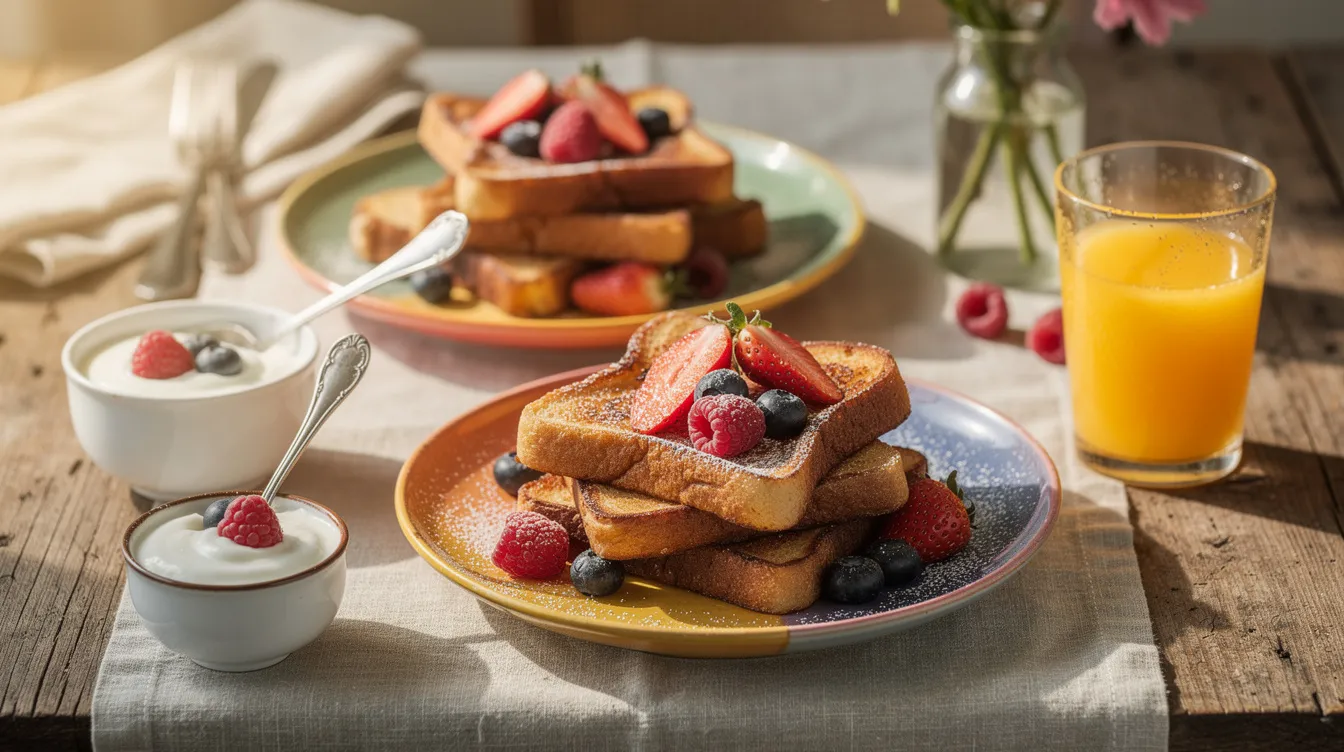
A high-protein breakfast can stabilize blood sugar levels, and Emily’s mornings prioritise protein, comfort, and speed. Cottage cheese bruschetta is a quick breakfast option. Savory French toast can be made in under 15 minutes. Cottage cheese pancakes provide around 30g of protein. Two poached eggs on toast is a simple breakfast choice. Soft scrambled eggs cooked on low heat with a knob of butter, served alongside fresh berries and seeded bread, make for a satisfying start. For hospitality, brunch menus can mirror this with Benedict alternatives, flavoured cottage cheese plates and a final drizzle of honey for a recognisably Emily aesthetic. You can even use an air fryer for crispy bacon or halloumi on the side.
Lunch and Dinner
Greek-style chicken salad is packed with health-promoting diversity and contains about 30g of protein – simple and satisfying for lunch. Build bowls with quinoa, roasted pepper, avocado, olives, celery and a punchy dressing. Salmon and fennel tacos, chipotle prawns with slaw, or a blend of roasted veg over pasta all work as flexible blueprints. Swap proteins, grains and veg based on seasonality and cost. Leftovers become tomorrow’s packed lunch. Add a squeeze of lemon, torn basil, and life comes back into yesterday’s dinner.
Snacks and Sweets
High-protein spicy tuna bagels contain a fiery tuna crunch mix – a perfect midday snack. Cottage cheese pancakes can provide around 30g of protein and double as a sweet treat with berries. Yogurt panna cottas, baked oats, or a simple cook of warm berries with nut butter satisfy sweet cravings while keeping the plate balanced. Retailers and cafés can market single-serve formats with clear high-protein or gut-friendly messaging. Em has shown that a snack can be both indulgent and smart.
How Hospitality and Food Brands Can Tap into the Emily English Effect
Demand for high-protein, high-fibre, olive-oil-positive dishes is rising across breakfast, lunch on the go, and lighter evening meals. Restaurants can emulate her tone with approachable menu copy and bold, colourful plating. Suppliers should consider ready-made dressings, high-protein breads and flavoured cottage cheeses. FEAST Magazine is the platform for brands and operators to showcase new ranges or concept menus shaped by these trends. Think of her recipes as a brief from your customers – delivered weekly, for free.
Menu Language and Storytelling
Emily avoids dull diet vocabulary. Use descriptive language: crispy chilli chicken, glow bowl, hot honey cottage cheese toast. Frame dishes with benefits, not restrictions. Collaboration with a registered nutritionist when building ranges adds credibility. As featured in publications from British Vogue to trade titles, the language of joy sells better than the language of denial.
FAQs: Emily English Recipes and Healthy Eating Inspiration
Can I cook like Emily English without following exact recipes?
Absolutely. Her style is template-based: protein plus veg plus flavour. A Greek-style chicken salad needs only cooked chicken breast, cherry tomatoes, feta, red onion, lemon juice and olive oil. Creativity matters more than precision.
Are Emily English recipes suitable for busy weeknights?
Yes. One-tray bakes, blender sauces and batch-prepped salads are her weeknight heroes. Many dishes need under 20 minutes and minimal effort. Her book So Good Express is built entirely around speed.
How does Emily keep meals high protein?
Staples like eggs, Greek yogurt, cottage cheese, chicken, tuna, salmon, chickpeas and lentils appear across every week. She layers extra protein through dairy, pulses and smart swaps.
Do I need specialist ingredients?
No. Most healthy recipes use supermarket basics – olive oil, tinned fish, grains, garlic, lemon, pepper, salt. A few extras like miso, jalapeños, parsley, spring onion or mustard add punch without adding cost.
Why do Emily English recipes appeal to restaurants and cafés?
They map directly onto consumer demand for healthy eating, high protein and photogenic plates. The dishes are modular, scalable, and built from prep-friendly components that suit commercial kitchens.
Whether you are a home cook looking for satisfying, balanced meals or an operator building next season’s menu, the principles behind Emily English recipes offer a clear, proven blueprint. Experiment, adapt, and make the food your own. Follow FEAST Magazine for more industry-focused insights on the trends shaping how we eat.