

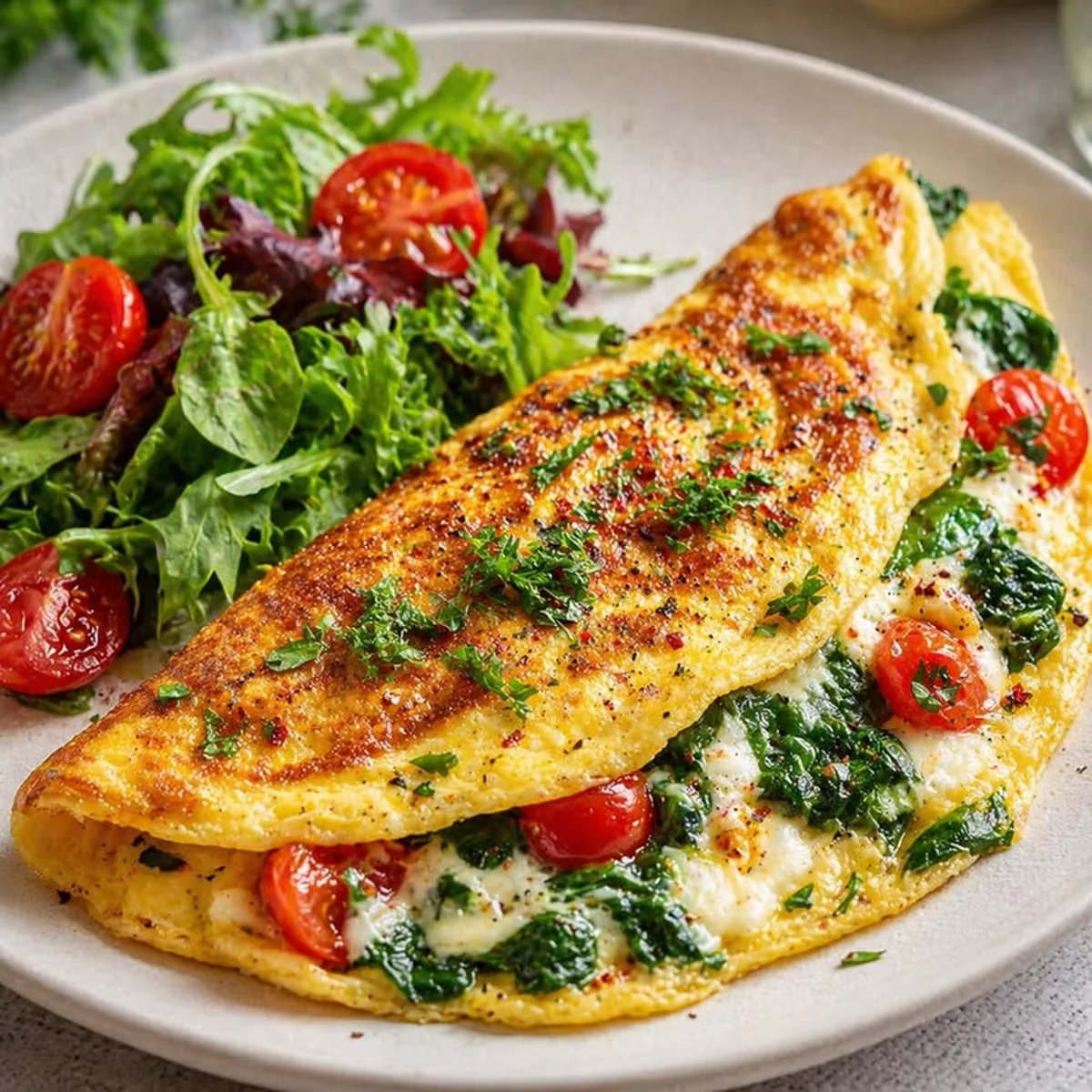
If you’re stuck in a breakfast rut, reaching for the same bowl of cereal or slice of plain toast each morning, it might be time to rethink your morning protein. A protein-packed breakfast does more than fill you up – it sets the tone for steadier energy, sharper focus, and fewer mid-morning cravings. Here are twelve practical, tested high-protein breakfast ideas that work for busy mornings, varied diets, and real-life kitchens.
Quick Summary
Eating 15 to 30 grams of protein at breakfast helps regulate blood sugar, maintain energy levels throughout the day, and reduce snack cravings before lunch. Research shows that high-protein breakfasts increase GLP-1 hormone levels significantly – a gut hormone that suppresses appetite and promotes fullness far more effectively than carb-heavy meals.
Every recipe in this guide delivers between 15 and 30 grams of protein per serving, with some options reaching higher. You’ll find a mix of quick weekday options (under five minutes), weekend cooking projects, and Meal Prep strategies that cover the full week. Whether you’re vegetarian, vegan, gluten-free, or an unapologetic bacon-and-eggs enthusiast, there’s a filling protein option here for you.
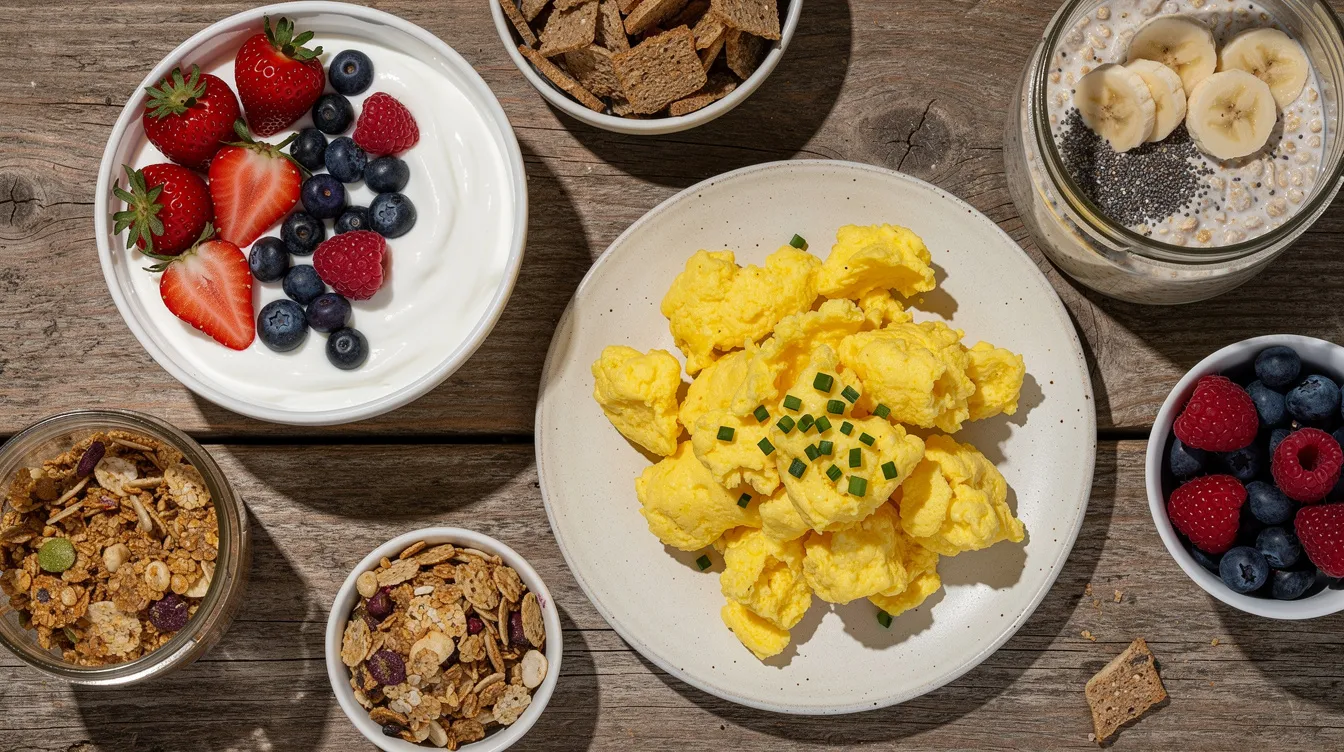
How We Chose the Best High Protein Breakfast Ideas
Not all breakfast foods are created equal. We evaluated each option against six criteria:
- Protein content: Minimum 15g of protein per serving for sustained energy. Protein requires 20% to 30% of its own energy to digest, meaning it burns more calories during processing than carbohydrates or fat.
- Preparation time: A mix of 2-minute assembly, 15-minute cooking, and make-ahead breakfast recipes.
- Ingredient accessibility: Common staples available in UK supermarkets (and globally).
- Nutritional balance: Combinations that pair protein with healthy fats and complex carbohydrates.
- Dietary flexibility: Options spanning vegetarian, vegan, gluten-free, and meal prep needs.
- Taste and satisfaction: High-protein breakfasts can be prepared quickly and easily – but they also need to taste good enough that you’ll actually eat them consistently.
Top 12 High Protein Breakfast Ideas
1. Greek Yoghurt Power Bowl
Thick Greek yogurt topped with a handful of almonds, hemp seeds, chia seeds, and fresh fruit makes one of the simplest protein breakfast ideas you can assemble. Greek yogurt provides roughly 25 grams of protein per serving, while almonds add about 6 grams of protein per ounce. Drizzle with a little maple syrup or scatter over some dried fruit for natural sweetness.
Why It Stands Out: Greek yogurt is a source of gut-friendly probiotics that support digestive health, and it adds protein and creaminess to virtually any breakfast bowl. Zero cooking required.
Best For: Busy professionals wanting a 2-minute breakfast and anyone craving something sweet but substantial.
Considerations: Can be pricier than other protein sources. Very active individuals may want to add homemade granola or whole grain toast on the side for extra carbohydrates.
2. Cottage Cheese and Avocado Toast
Spread low-fat cottage cheese generously onto whole grain bread, top with sliced avocado, a pinch of chilli flakes, and a squeeze of lemon. A serving of cottage cheese contains about 21 grams of protein (with some brands offering up to 28 grams of protein per cup), making it a breakfast staple worth rediscovering. You can also try cottage cheese egg bites, which contain 18 grams of protein per 3 bites.
Why It Stands Out: This avocado toast variation combines complete protein with heart-healthy fats from the avocado – monounsaturated fats that support cardiovascular health. It’s also rich in leucine, an amino acid critical for muscle protein synthesis.
Best For: Those wanting a savoury, budget-friendly protein-packed breakfast.
Considerations: Cottage cheese texture isn’t for everyone. Try whipping it in a blender for a smoother cream cheese-like consistency. Ripe avocados are essential.
3. Protein-Packed Scrambled Eggs
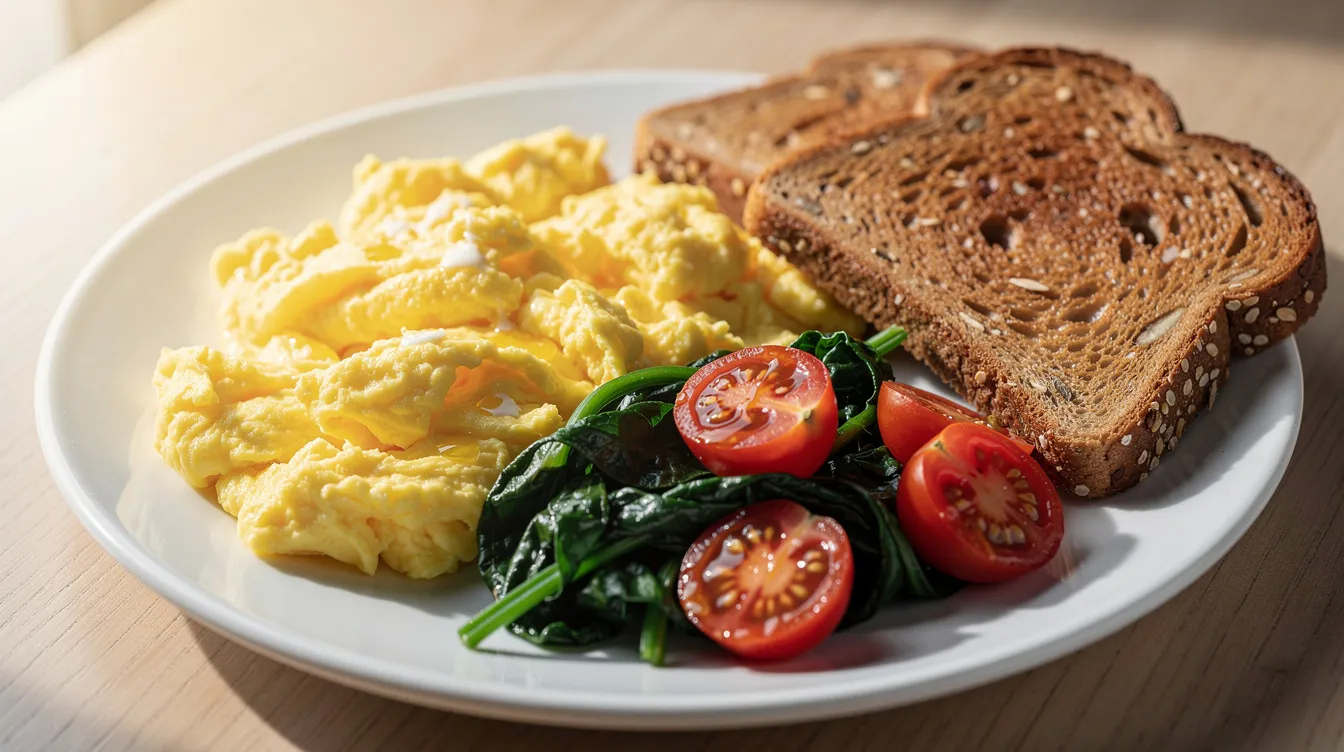
Scrambled eggs made with two whole eggs plus extra egg whites, a handful of spinach, cherry tomatoes, and crumbled feta cheese. Each cooked egg provides about 6 grams of protein, so three eggs plus whites easily delivers 25–30 grams of protein per plate. For speed, eggs also offer a quick breakfast option when microwaved in a mug.
Why It Stands Out: Eggs provide a complete amino acid profile and are endlessly customisable. Add turkey sausage on the side for more protein, or try a fried egg or poached eggs on whole grain toast for variety. Keep hard-boiled eggs in the fridge for grab-and-go convenience.
Best For: Weekend leisurely breakfasts and traditional cooked breakfast lovers. Naturally gluten-free.
Considerations: Requires cooking time. Not suitable for vegans. Consider pairing with baked beans for extra fibre and plant-based protein.
4. Overnight Protein Oats
Combine rolled oats with protein powder, chia seeds, and almond milk or soy milk in a jar. Refrigerate overnight. In the morning, stir through nut butter – peanut butter can enhance the protein content of oatmeal significantly and provide a quick protein boost. Top with fresh fruit or a few chocolate chips for indulgence.
Why It Stands Out: Overnight oats are the ultimate meal prep breakfast. Prepare a big batch of five servings on Sunday, and your weekday mornings are sorted.
Best For: Meal preppers and anyone who prefers a grab-and-go healthy breakfast.
Considerations: The texture can be mushy. If that bothers you, use less liquid or add crunch with nuts and homemade granola. Swap almond milk for soy milk if you need more protein per serving.
5. High-Protein Smoothie Bowl
Blend frozen berries, a scoop of protein powder, Greek yogurt, and a splash of almond milk until thick. Pour into a bowl and top with sliced banana, hemp seeds, and a drizzle of almond butter. A protein-packed smoothie can contain up to 33 grams of protein per serving when you combine powder with natural sources.
Why It Stands Out: Nutrient-dense, refreshing, and ideal for warmer weather. The thick consistency makes it more satiating than a drinkable smoothie.
Best For: Post-workout recovery and those who struggle to eat solid breakfast foods in the morning.
Considerations: Requires a blender. Can be high in natural sugars from fruit – balance with healthy fats from seeds or nut butter.
6. Quinoa Breakfast Bowl
Cooked quinoa topped with a dollop of Greek yogurt, toasted pumpkin seeds, berries, and a drizzle of honey. Quinoa is one of the few grains that provides a complete amino acid profile, making this breakfast bowl a standout for vegetarians.
Why It Stands Out: Quinoa delivers complete plant-based protein alongside iron and magnesium – nutrients often lacking in plant-heavy diets.
Best For: Vegetarians seeking complete proteins and anyone avoiding gluten.
Considerations: Quinoa requires cooking time or preparation. Batch-cook at the start of the week. More expensive than traditional porridge oats.
7. Protein Pancakes
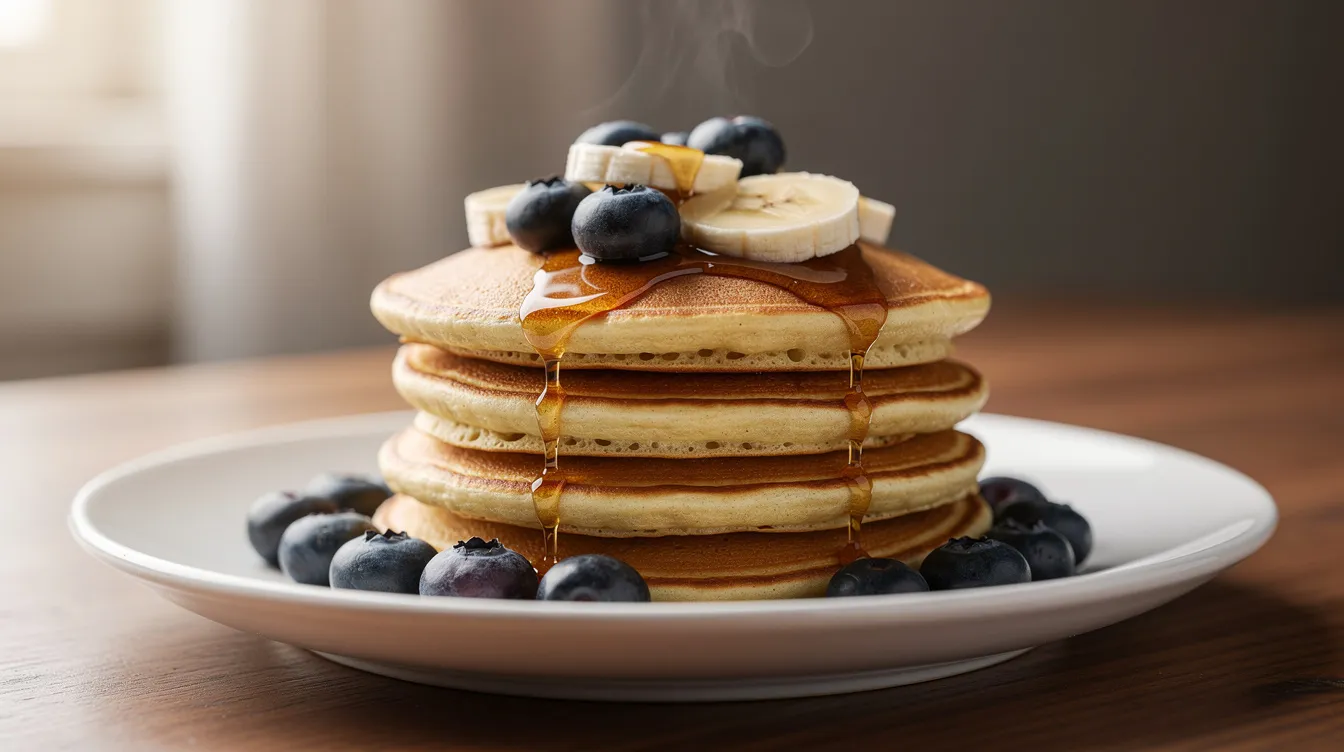
Mix protein powder with eggs, oat flour, and a mashed banana. Cook until golden brown on each side. Protein pancakes can contain up to 35 grams of protein per serving, especially when you include cottage cheese in the batter for added protein. Protein waffles are a similar option, offering about 17 grams of protein per serving if you prefer a crispier texture. Serve with fresh fruit and a drizzle of maple syrup.
Why It Stands Out: They satisfy weekend brunch cravings while genuinely meeting protein goals. Lay them on a baking sheet in a single layer and freeze for midweek reheating.
Best For: Weekend treats and families wanting a healthy version of a favourite. Kid-friendly.
Considerations: Texture differs slightly from traditional pancakes. Requires cooking time.
8. Smoked Salmon and Cream Cheese Bagel
A wholemeal bagel spread with cream cheese, layered with smoked salmon, capers, and a few rings of red onion. Smoked salmon is a source of high-quality protein and Omega-3 fatty acids, delivering around 10–12g of protein per 50g portion, plus the bagel and cream cheese bring the total to 22–26 grams of protein.
Why It Stands Out: Restaurant-quality taste at home in under five minutes. The omega-3 content supports brain and heart health.
Best For: Special occasion breakfasts and anyone wanting omega-3-rich options.
Considerations: Higher cost than other protein sources. Watch sodium content from smoked fish and keep saturated fat in check by choosing a lighter cream cheese.
9. Chia Seed Pudding
Soak chia seeds in your choice of milk (try soy milk or almond milk) with a scoop of protein powder and vanilla extract. Refrigerate overnight. Top with fresh fruit and a spoonful of almond butter. This chia pudding provides 18–22 grams of protein depending on your additions.
Why It Stands Out: High in fibre and omega-3 fatty acids from the chia seeds, with a pudding-like texture that feels like dessert.
Best For: Make-ahead breakfast lovers and those wanting a vegan-friendly on-the-go option.
Considerations: The gel-like texture isn’t for everyone. Chia seeds can be expensive – buy in bulk to reduce cost.
10. Breakfast Burrito
Fill a whole grain tortilla with scrambled eggs, black beans, shredded cheese, and a spoonful of salsa. Meal prep breakfast burritos provide about 21 grams of protein per burrito. Wrap individually in foil, freeze in a big batch, and reheat for busy mornings. For a Tex-Mex twist, try breakfast tacos with the same filling in smaller corn tortillas.
Why It Stands Out: Portable, satisfying, and combining multiple protein sources – eggs, beans, and cheese – in one handy package. Sweet potato hash makes an excellent addition; a sweet potato breakfast casserole offers 24 grams of protein per serving if you want a weekend variation.
Best For: Those wanting a portable, filling breakfast that travels well. Also works as a breakfast sandwich alternative.
Considerations: Can be calorie-dense. Use a smaller tortilla or go low-fat on the cheese to manage portions.
11. Tofu Scramble
Crumble firm tofu into a pan with turmeric, nutritional yeast, spinach, and diced peppers. Season generously – tofu absorbs flavours brilliantly. This delivers 16–20 grams of protein per serving with considerably lower saturated fat than traditional scrambled eggs.
Why It Stands Out: A complete vegan protein that mimics the texture of scrambled eggs remarkably well. Adding protein-packed ingredients like black beans or a side of whole grain toast pushes the protein count higher.
Best For: Vegans and anyone reducing animal protein consumption. Naturally gluten-free.
Considerations: Requires confident seasoning. Press tofu beforehand for better texture.
12. Protein Muffins
Bake muffins using protein powder, rolled oats, Greek yogurt, eggs, and a little honey. Cottage cheese can contribute protein content to muffin recipes too, making them even more substantial. Egg muffins – savoury versions baked in a muffin tin – can be made in advance and reheated throughout the week. Egg muffins deliver about 22 grams of protein per three muffins. Try buffalo chicken egg muffins for a spicier option, also providing 22 grams of protein per 3 muffins. Line a baking sheet with paper cases for easy removal.
Why It Stands Out: True grab-and-go convenience in a format that feels like a treat. Breakfast cookies made with similar ingredients offer another portable option.
Best For: Meal prep enthusiasts. Freeze in batches for weeks of ready-made morning protein.
Considerations: Can be dry if overbaked – don’t skip the yoghurt. Requires baking time and equipment.
Quick Comparison of High Protein Breakfast Ideas
| Breakfast | Protein (per serving) | Best For | Prep Time |
|---|---|---|---|
| Greek Yoghurt Bowl | 20–25g | Quick, no-cook protein | 2 min |
| Cottage Cheese Toast | 18–22g | Budget-friendly muscle building | 3 min |
| Scrambled Eggs | 25–30g | Complete amino acid profile | 10 min |
| Overnight Oats | 20–25g | Meal prep convenience | 5 min (night before) |
| Smoothie Bowl | 25–33g | Post-workout recovery | 5 min |
| Quinoa Bowl | 16–20g | Gluten-free plant protein | 15 min |
| Protein Pancakes | 20–35g | Weekend indulgence | 15 min |
| Smoked Salmon Bagel | 22–26g | Omega-3 fatty acids | 5 min |
| Chia Pudding | 18–22g | Vegan omega-3s | 5 min (night before) |
| Breakfast Burrito | 21–28g | Portable, filling option | 10 min |
| Tofu Scramble | 16–20g | Vegan complete protein | 10 min |
| Protein Muffins | 15–22g | Grab-and-go convenience | 30 min (batch) |
Other notable mentions: apricot basil breakfast meatballs provide 26 grams of protein per serving for something completely different, and a simple granola bar paired with a hard-boiled egg makes a decent on-the-go option when time is truly tight. Cottage cheese can also be incorporated into breakfast casseroles for protein – a versatile ingredient worth keeping stocked.
How to Choose the Right High Protein Breakfast
Choose Based on Available Time
- 2 minutes: Greek yoghurt bowl, cottage cheese toast, or a quick breakfast of peanut butter on whole grain toast
- 5–10 minutes: Scrambled eggs, smoothie bowl, or reheated breakfast burrito
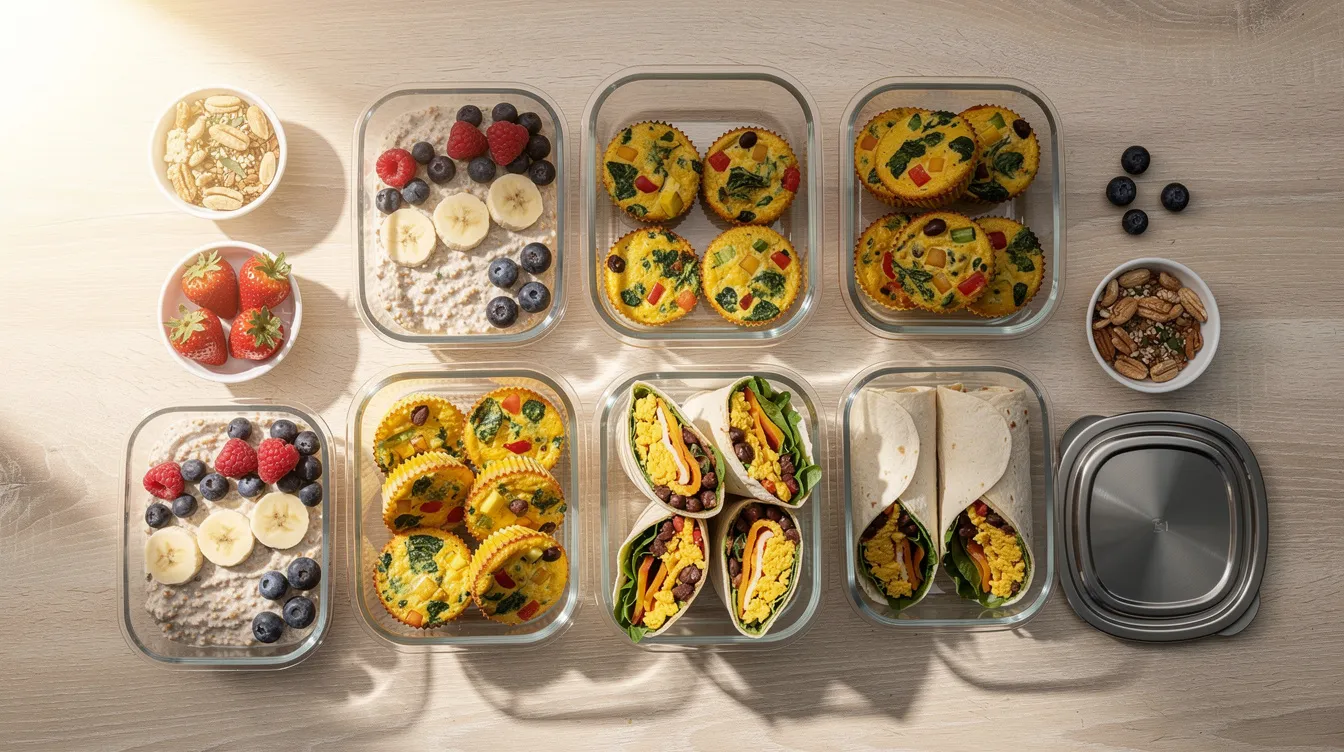
- Make-ahead: Overnight oats, chia pudding, protein muffins, or a big batch of egg muffins for the week
Choose Based on Dietary Preferences
Vegetarian options include Greek yogurt bowls, protein pancakes, and cottage cheese dishes. Vegan eaters should look to tofu scramble, chia pudding, and overnight oats made with soy milk and plant-based protein powder. For gluten-free needs, scrambled eggs, quinoa bowls, and smoothie bowls are naturally safe choices. Adding protein-packed ingredients like hemp seeds, nut butter, or black beans can boost any option.
Choose Based on Protein Goals
Your protein intake needs vary by goal. For weight management, aim for 20–30g protein per breakfast – studies show this range provides the strongest satiety response. For muscle building, aim for 30–40g by combining sources (eggs plus Greek yogurt or a smoothie with protein powder). Those following a high-protein diet for athletic performance can stack options – a breakfast burrito alongside a smoothie, for instance. How much protein you need depends on your body weight, activity level, and goals, but even 15g represents a significant improvement over a typical 10–15g breakfast.
Which High Protein Breakfast Is Best for You?
- Choose Greek Yoghurt Bowls if you want maximum convenience with zero preparation
- Choose Overnight Oats if you prefer meal prep and grab-and-go options
- Choose Scrambled Eggs if you enjoy traditional cooked breakfasts with complete proteins
- Choose Smoothie Bowls if you exercise in the morning and need quick recovery nutrition
- Choose Tofu Scramble if you follow a vegan lifestyle and want familiar breakfast textures
- Choose Breakfast Burritos if you need something portable that keeps you full until lunch
- Choose Protein Pancakes if weekends call for something indulgent that still delivers on nutrition
Final Thoughts
The Best high-protein breakfast is the one you’ll actually make and enjoy. There’s no single perfect option – your ideal morning meal depends on your lifestyle, time constraints, taste preferences, and dietary needs. Protein at breakfast decreases snack cravings throughout the day, and protein helps maintain energy levels, so even small improvements to your current routine add up.
Start with two or three favourites from this list and rotate throughout the week. Consistency matters far more than perfection. If you’re new to adding protein-packed ingredients to your mornings, begin with the simplest swaps – Greek yogurt instead of regular, whole grain bread with cottage cheese instead of jam – and build from there. Experiment with the weekend options when you have time, then lean on your meal prep staples during the week.
Frequently Asked Questions
How much protein should I aim for at breakfast?
Most research suggests 20–30 grams of protein delivers the strongest benefits for satiety, blood sugar regulation, and energy. Even 15g is a meaningful upgrade if your current breakfast sits around 10g. The UK Reference Nutrient Intake recommends about 0.75g per kg of bodyweight daily – distributing this evenly across meals, including breakfast, supports muscle maintenance.
Can I meal prep high protein breakfasts?
Absolutely. Overnight oats, chia pudding, egg muffins, protein muffins, and breakfast burritos all freeze or refrigerate well. Prepare a big batch on Sunday, and you’ll have a quick breakfast ready every morning. BBC Good Food’s meal prep guides offer additional inspiration for batch cooking.
Are protein powders necessary for high-protein breakfasts?
No. Whole foods like eggs, Greek yogurt, cottage cheese, and tofu provide ample protein without supplements. Protein powder is useful when you want extra protein without added volume – in smoothies, overnight oats, or pancake batter – but it’s a convenience, not a necessity.
What are the best vegetarian high protein breakfast options?
Greek yoghurt bowls, cottage cheese toast, protein pancakes, quinoa bowls, overnight oats with nut butter, and chia pudding all deliver strong protein without meat. Eggs remain the most protein-dense vegetarian breakfast staple. For vegans specifically, tofu scramble and soy-based options work best.
How do I make high protein breakfasts more affordable?
Eggs, oats, peanut butter, baked beans, and low-fat cottage cheese are among the most cost-effective protein sources in UK supermarkets. Buy Greek yogurt in larger tubs rather than individual pots. Use tinned black beans and lentils as affordable plant protein. Almonds and seeds can be bought in bulk. Avoid premium “high protein” branded products – whole foods typically offer better value per gram of protein.
Can children eat these high protein breakfast ideas?
Most options are suitable with portion adjustments. Protein pancakes, yoghurt bowls, scrambled eggs, and protein muffins are particularly kid-friendly. Reduce portion sizes to match smaller appetites and avoid adding protein powder for young children – whole food sources are preferable. A breakfast of scrambled eggs with whole grain toast and fresh fruit provides a balanced, protein-rich meal for children of all ages.
Do high protein breakfasts help with weight loss?
Evidence suggests they can. High protein breakfasts reduce total daily energy intake by promoting satiety and suppressing the hunger hormone ghrelin more effectively than carbohydrate-heavy meals. Protein also requires 20% to 30% of its own caloric energy to digest, meaning you burn more calories simply processing it. Combined with balanced nutrition and activity, a protein-rich morning meal can support efforts to lose weight over time – though no single meal is a magic solution.