

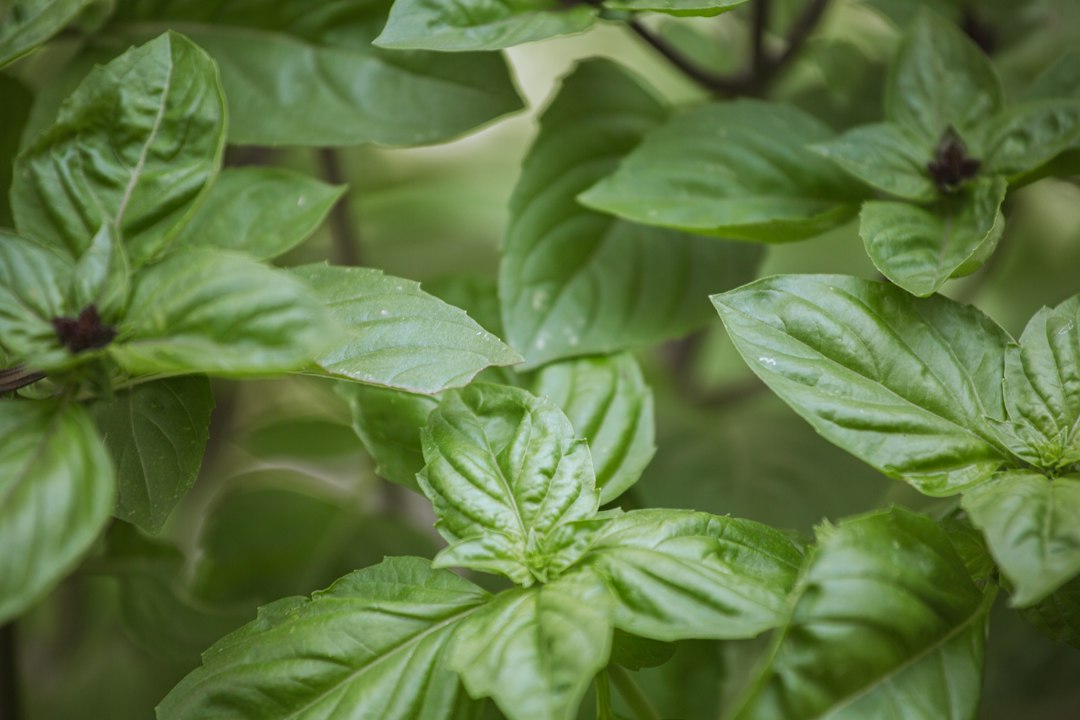
The Lab Holding, the group behind the Dubai restaurants 3Fils and BRIX, has set out a round of sustainability measures that will sound familiar to anyone who has read a restaurant’s website lately. 3Fils now has its own plot at a local farm, growing vegetables and herbs for the kitchen. BRIX keeps a micro greenhouse for herbs on site. Across the group, the company says it has cut back on plastic.
On its own it is a modest announcement. Set beside every other kitchen doing the same, it is a trend worth being honest about. The restaurant that grows its own has become one of the strongest signals a dining room can send, shorthand for care, freshness and a lighter footprint. The trouble is that a herb bed and a working supply chain are very different things.
A greenhouse of basil and mint is real, and it does change what lands on the plate. What it rarely changes is the maths. The weight of what a busy restaurant serves still arrives by van: the proteins, the dairy, the oils, the dry goods. The parts of an operation that actually move the needle are the unglamorous ones, where food is bought, how much is thrown away, and how much energy the kitchen burns. On-site growing happens to be the part guests can see, which is exactly why it ends up in the announcement.
Britain has its genuine version of this. At Le Manoir aux Quat’Saisons in Oxfordshire, Raymond Blanc has run kitchen gardens for decades that feed the menu rather than decorate it. That is the bar. A plot of herbs is a good start and an easy headline. A kitchen that has rebuilt its sourcing and halved its waste is the story that counts.
So the next time a menu tells you the restaurant grows its own, it is worth one quiet question: grows how much, and of what. The answer is what separates a marketing line from a kitchen that has actually changed.