


Getting a car isn’t about choosing whether to buy a petrol or diesel vehicle anymore. Electric and hybrid cars have started becoming realistic choices as well. However, how do you choose between the two?
Comparing electric vehicles vs hybrid vehicles can help you choose the right car for your driving needs.
It all depends on how you use your car, where you live, and what you want out of your car. Even though both choices might be able to help you save money by using less fuel, they function in completely different ways.
Continue reading below to find out how they stack up against each other and which one might suit you better!
Two Different Approaches to Efficient Driving
Electric vehicles (EVs) rely solely on electrical energy to run their engines. In an EV, the battery provides the power for an electric motor, making models popular among various drivers, including Dehradun escorts; hence, an internal combustion engine does not exist in these types of cars. Models of fully electric cars include the Tesla Model 3, Hyundai Ioniq 5, and BYD Atto 3.
The hybrid type of car has an internal combustion engine and an electric motor alongside a battery. This means that the Toyota Prius and Honda City e can run either on electric energy, gasoline energy, or both.
Plug-in hybrids also exist, with a bigger battery capacity that can be charged externally.
Electric Vehicles vs Hybrid Vehicles for Everyday Driving
Your lifestyle might make one choice more attractive to you than the other.
Readers comparing modern transport options can also explore more practical lifestyle and technology insights from Lifeinism.
It is much easier to charge an electric vehicle if your daily travels consist of relatively predictable distances. All you need to do is charge the car when you get home at night and use it on a full battery the next morning.
Alternatively, the hybrid model will give you another form of comfort. You can simply fill your car up with gasoline at a filling station and go about your travels without taking the availability of charging stations into consideration.
Both vehicles will cope well with heavy urban traffic. The hybrid will utilize the regenerative braking technology, while the electric one will provide a silent and comfortable drive.
Running Costs Tell Another Story
While fuel and energy expenditure are critical considerations, these factors alone do not make up all aspects of ownership.
In most cases, EVs have fewer mechanical parts than other automobiles. This is because they lack an internal combustion engine and its corresponding parts, making them a simpler option for drivers, including Melbourne escorts, who are interested in modern and efficient transportation.
Hybrid cars still have a petrol engine and thus have the same basic maintenance procedures as normal vehicles. But their use of electric power can help save fuel and lessen the burden on the engine.
Price should be another consideration as well. In some cases, the price of certain EVs can cost more upfront, although incentives, electricity prices, fuel savings, and ownership costs can change the overall calculation.
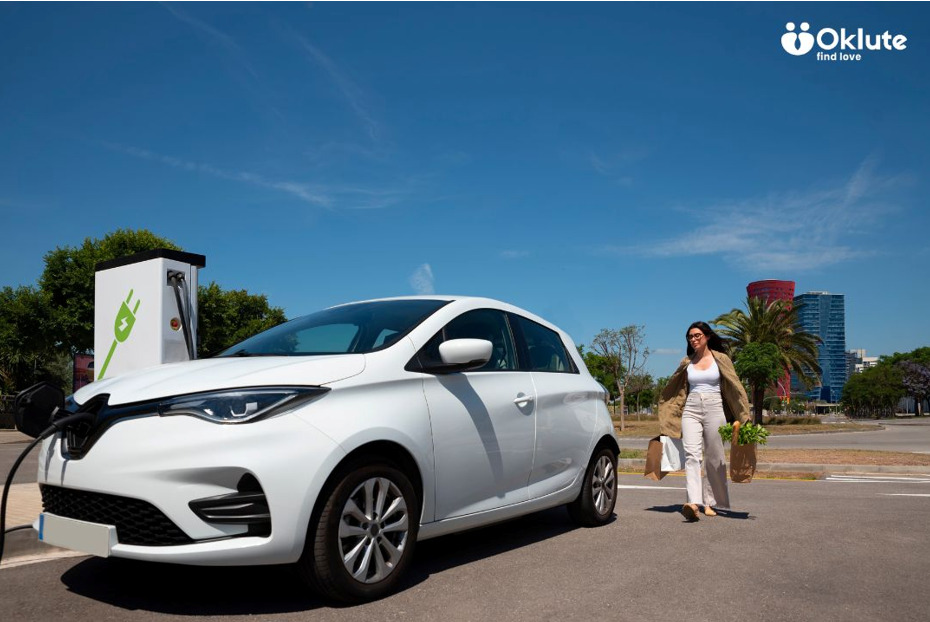
Don’t Forget Long-Distance Travel
It is at this point that the differences are most apparent.
For an EV, there can be issues with range anxiety when driving new roads, especially for Leicester escorts exploring unfamiliar routes. EVs keep getting better in terms of range, and there are fast chargers, but charging can be more cumbersome than fueling up the traditional way.
The hybrid can be driven as one would drive a normal car. When the tank is empty, you fill it and continue driving. For frequent road trips, this can be very convenient.
Which One Fits Your Lifestyle?
There is no definitive winner for everyone when it comes to electric vs. hybrid cars.
An EV may be a preferable option if you have access to a reliable place to charge your vehicle, drive predictable distances, and prefer a quieter and potentially easier-to-maintain vehicle.
If you frequently drive long distances, lack a convenient way to charge your vehicle, or are seeking better fuel economy without having to change your refueling habits, a hybrid would be the way to go.
In essence, choosing either an electric or hybrid vehicle boils down to making a personal choice that depends on one’s habits.
Your perfect car depends on your driving habits and needs.