

It is not too late to reset habits for the year ahead. New research shows that LDL, often called “bad” cholesterol, rises by around 20% in the days after Christmas. In response, a leading alcohol reduction specialist has outlined four practical New Year steps to help people recover from heavy drinking and rich festive food. One starting point is taking part in Dry January.
Recent findings show that Low Density Lipoprotein (LDL) cholesterol increases sharply after the Christmas period. LDL is linked to fatty build-up in arteries and higher risk of heart disease. The rise is linked to higher alcohol intake and richer food consumed over the festive season.
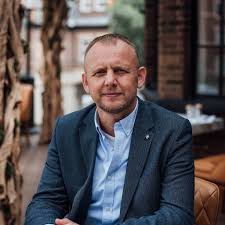
Harvey Bhandal, MD of Sinclair Method UK, says:
‘Danish researchers first detected this post-Christmas spike. They found that the risk of having elevated cholesterol is six times higher after the Christmas break. While most people know that fatty roasts and heavy desserts increase our levels of LDL, fewer people realise excessive alcohol consumption is also a key factor.
‘That’s because drinking too much, or binge drinking, can significantly raise levels of LDL cholesterol. And this Christmas and New Year, many of us will have drank far more than the recommended limits.
‘It’s not too late to start our New Year’s Resolutions now. Cutting down on our alcohol consumption has many other proven benefits on top of reducing our cholesterol levels. These include: better sleep; more energy; weight loss; fewer injuries; lower blood sugar; lower blood pressure; fewer alcohol-related symptoms such as headaches and heartburn; less fatty build-up around the liver; improved health conditions and better absorption of nutrients.’
Based on this advice, Sinclair Method UK has outlined four New Year actions to support health and reduce alcohol intake.
1. Lose weight and keep it off
‘Losing just 5% of our body weight can help lower the risk of chronic health conditions, such as heart disease, type 2 diabetes and high blood pressure. There’s even a free NHS Weight Loss Plan App available to help us start healthier eating habits, be more active and lose weight.
‘Reducing our alcohol intake to the recommended levels will help significantly. Alcohol leads to weight gain because it’s high in calories, stops your body from burning fat and often leads to poor food choices and increased hunger, particularly causing belly fat accumulation.’
2. Take part in Dry January
‘Dry January is a popular challenge, encouraging people to abstain from alcohol for the entire month, to reset their relationship with drinking and experience health benefits like more energy, better sleep, weight loss, and improved mood. Of course, while Dry January is a good start, it is only a start. Even if people can stay the course for four weeks, they need a long-term plan for controlling their consumption permanently.’
3. Move more and sit less
‘Let’s be practical—most people don’t have the time or routine to visit the gym daily. Fortunately, there are achievable resolutions that focus on reducing sedentary habits and increasing movement. For example, we can choose to park farther from the store entrance or bring back simple home exercises like “stairobics” from the Covid lockdown days. In fact, research from the University of Sydney found that just three quick, 20-second stair climbs each day can noticeably boost fitness in as little as six weeks.
However, there’s no point in exercising if we are just going to end the week at the pub or back on the sofa, drinking too much. Try not to undo all the good you’ve done by lapsing into old habits.’
4. Stay consistent
‘Keeping on track can be the hardest part of all. We should set ourselves SMART (Specific, Measurable, Attainable, Relevant, Time-bound) daily goals, starting small with daily habits like drinking water or walking. A wearable fitness tracker can also help keep us motivated. For those of us who find difficulty stopping or cutting back on our alcohol intake, a proven method for reducing alcohol consumption involves taking a prescribed medication supported by online coaching and counselling. Known as The Sinclair Method (TSM), this established treatment boasts an 80% success rate in helping people to overcome problem drinking.
‘Patients take naltrexone orally one hour before drinking, which reduces alcohol’s rewarding effects. This timing helps retrain the brain’s reward system through a process called “pharmacological extinction”.
‘Sinclair Method UK Ltd offers personalised treatment that includes one-to-one support from a private GP. Each patient is assigned a dedicated coach for 3 to 6 months to guide them through the medication programme. Consultations are conducted via phone or video call, and prescriptions are provided for the appropriate medication. All services are completely private and strictly confidential.
‘Sinclair Method UK’s founders worked closely with Dr. Roy Eskapa, long-time friend and colleague of Dr. David Sinclair, whose pioneering research gave birth to this life-saving treatment. Dr. Eskapa personally trained and advised Sinclair Method UK’s team. These strong links are why it is the only organisation entitled to use The Sinclair Method brand and trademark in the UK. For full details of Sinclair Method UK Ltd’s treatments: see: https://www.sinclairmethoduk.com/’