

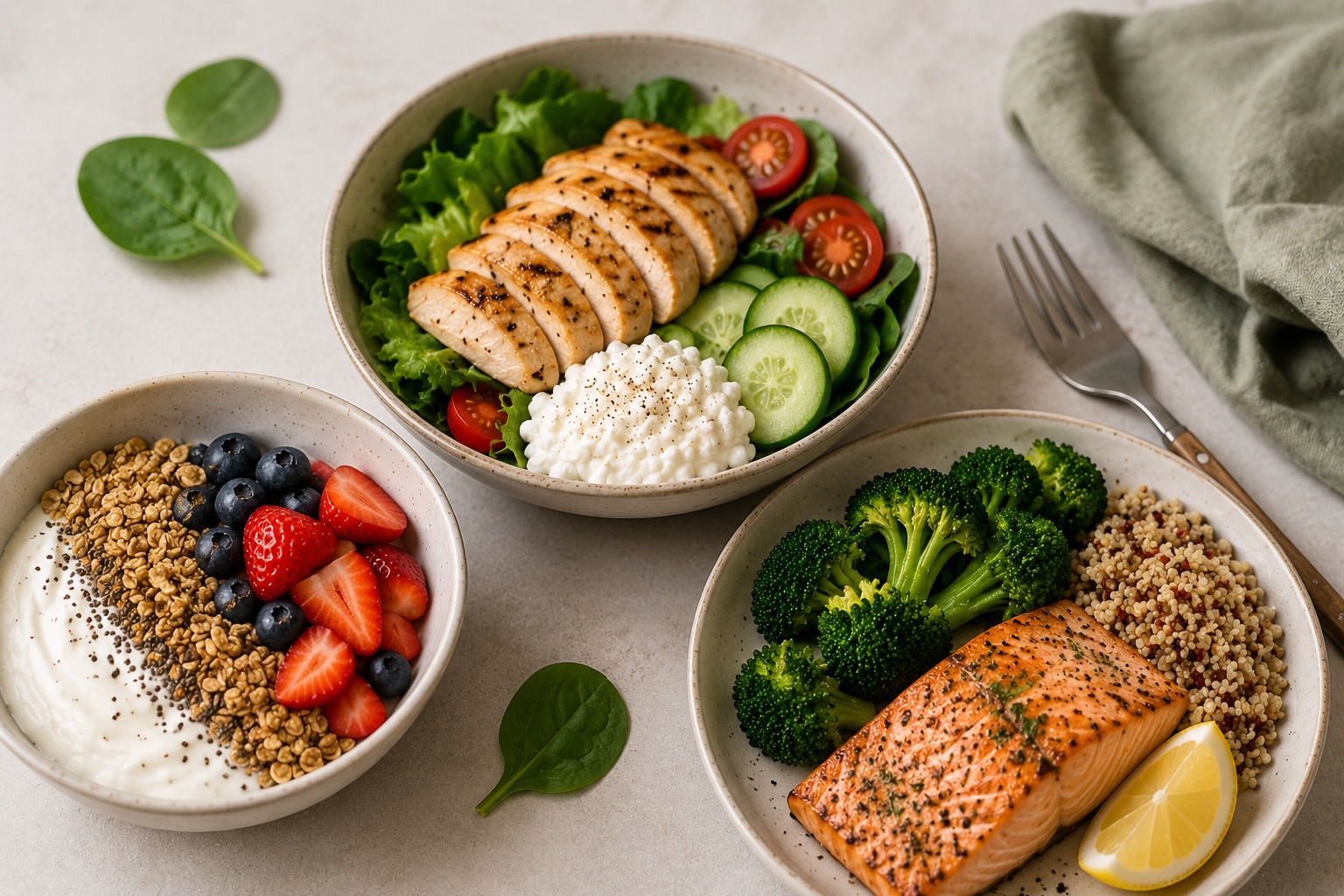
Low-Calorie High-Protein Meals: Easy Breakfast, Lunch and Dinner Ideas
Low calorie high protein meals can make breakfast, lunch and dinner easier when you want filling food without overdoing calories. Getting enough protein without overdoing calories doesn’t require a degree in nutrition or hours in the kitchen. It does, however, require a bit of planning and a clear idea of what actually works in practice.
A meal qualifies as low calorie and high protein when it delivers at least 20g of protein while staying under 400–500 calories. High protein meals support sustained energy and satiety, which means fewer trips to the biscuit tin and more consistent energy throughout the day. Aim for at least 25g protein per meal for stable blood sugar and genuine fullness between meals.
This guide covers practical ideas for breakfast, lunch, dinner, snacks and meal prep, with real numbers and realistic prep times for busy UK readers.
How We Chose the Best Low Calorie High Protein Meals
Every meal here was evaluated against a clear set of criteria:
- Protein per serving: minimum 20g for main meals, 10–15g for snacks
- Calorie count: 280–500 calories depending on meal type
- Preparation time: most under 25 minutes, several under 10
- Ingredient accessibility: items available in standard UK supermarkets
- Budget: prioritising affordable ingredients, with many meals coming in under £2 per serving
We also considered satiety value, nutritional balance (fibre, healthy fats, micronutrients), meal prep friendliness and variety. Repeating the same chicken breast and rice five days a week leads to meal fatigue fast, so diversity across cuisines and protein sources matters.
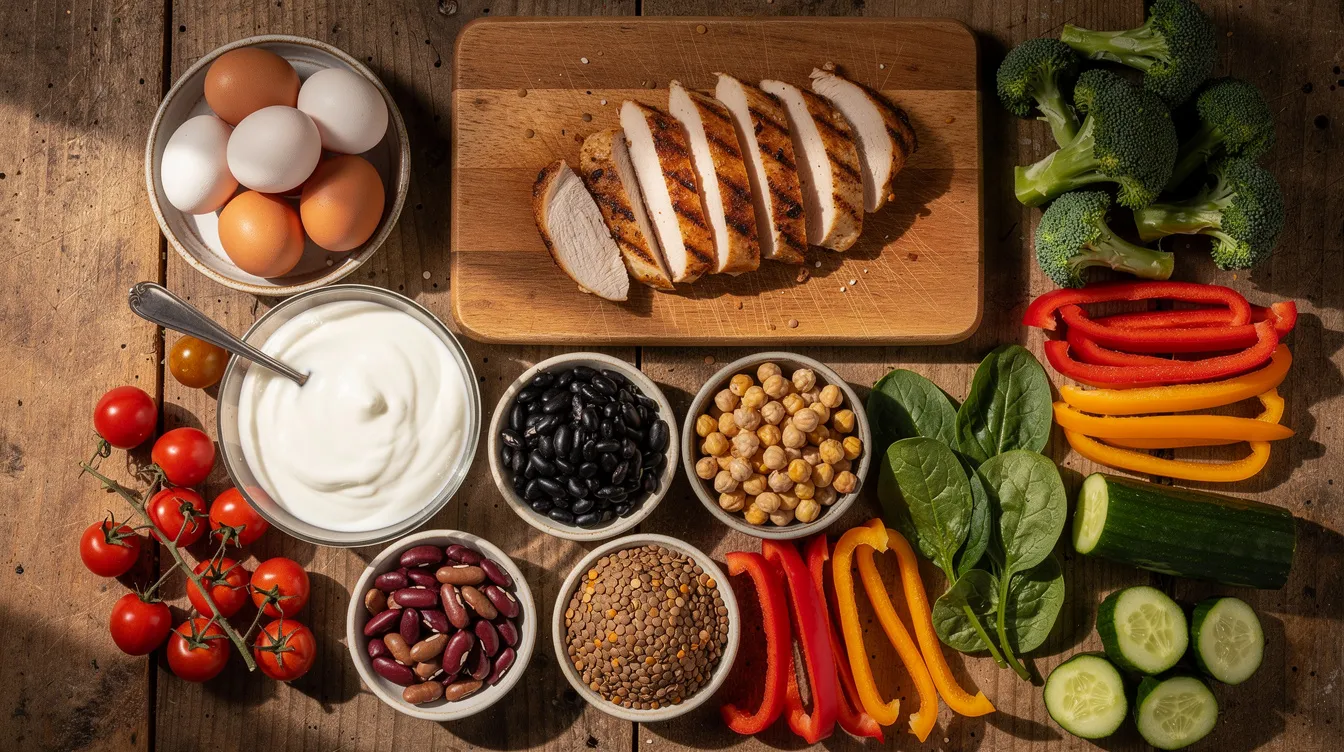
Top Low Calorie High Protein Meal Ideas Throughout the Day
1. High Protein Breakfast Options
Most UK adults eat fewer than 10g of protein at breakfast. That’s a missed opportunity. Research suggests increasing breakfast protein to 25–35g can reduce overall daily calorie intake by 150–300 calories without any other changes.
Why These Stand Out
Morning protein reduces cravings, stabilises blood sugar, and helps prevent the mid-morning energy dip that sends people reaching for sugary snacks.
Best For
Busy professionals, anyone struggling with mid-morning hunger, and those working towards weight loss or balanced eating goals.
Key Options
- Greek yogurt power bowl: Greek yogurt with oats, mixed berries and a handful of seeds. A Greek Yogurt Power Bowl contains 320 calories and 25g protein, and can be prepared in just 3 minutes. Greek yogurt offers 11g protein per half-cup serving, making it one of the most protein-dense breakfast staples available.
- Scrambled eggs with wilted spinach and mushrooms: three eggs with a generous portion of greens delivers around 22g protein and 320 calories. Add garlic for flavour without adding excessive calories.
- Protein smoothie with banana: blend protein powder, banana, a spoonful of nut butter, and milk for roughly 28g protein and 300 calories.
Considerations
Some options require a few extra minutes in the morning. Greek yogurt quality varies between brands-check labels for protein per serving and avoid varieties loaded with added sugar.
2. Quick High Protein Lunch Ideas
We’ve covered workplace lunches in detail in our guide to high protein lunch ideas, so here we’ll focus on lighter, portable options that complement the rest of your day.
Why These Stand Out
A protein-rich lunch prevents afternoon energy crashes while keeping calories controlled, helping you avoid the vending machine.
Best For
Office workers, students, and anyone needing portable nutrition without access to a full kitchen.
Key Options
- Tuna lettuce wraps: swap the bread for crisp lettuce leaves, fill with tuna, diced tomatoes and a squeeze of lemon. Tuna Lettuce Wraps provide 320 calories and 30g protein, and take only 6 minutes to assemble.
- Cottage Cheese Protein Plate: cottage cheese paired with cucumber, bell peppers, and a few oatcakes. A Cottage Cheese Protein Plate offers 290 calories and 28g protein.
- Breadless Turkey and Avocado Wrap: lean turkey with creamy avocado rolled in a large lettuce leaf. A Breadless Turkey & Avocado Wrap has 280 calories and 28g protein.
Considerations
Most of these need refrigeration until eating. Consistent availability depends on a bit of meal prep at the start of the week.
3. Satisfying High Protein Dinners
Dinner is where most people naturally eat more protein, but it’s also where calories can spiral through heavy sauces, large portions of carbs, and excessive oil. The trick is building flavour without building up the calorie count.
Why These Stand Out
These provide substantial protein for muscle maintenance and recovery while controlling evening calories through smart ingredient choices.
Best For
Active individuals, families, and anyone wanting proper weeknight dinners without excessive calories.
Key Options
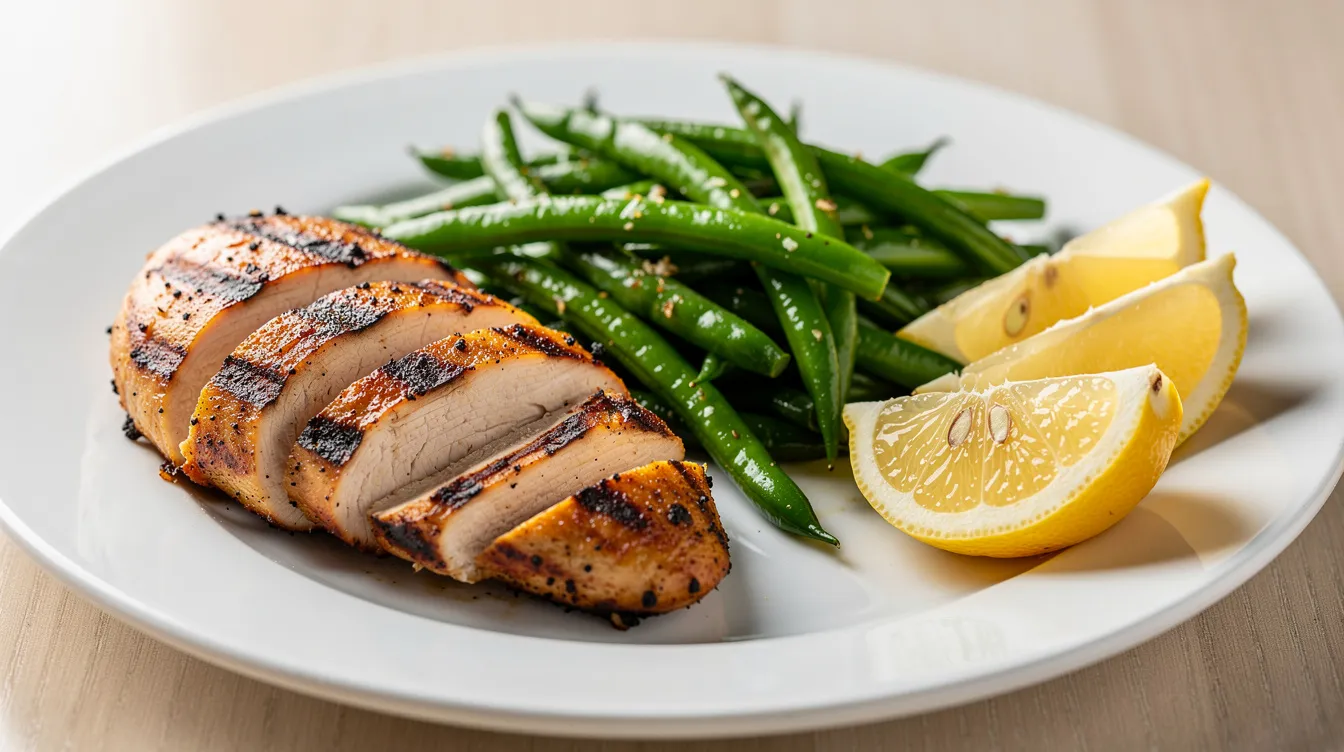
- Lemon-garlic chicken with green beans: lemon-garlic chicken cooks in under 20 minutes with green beans as a side. Use a light sauce of lemon juice, garlic and a drizzle of olive oil. Chicken recipes are versatile and can be easily customized with different herbs and spices. Honey-garlic chicken thighs contain 39g of protein per serving for a richer variation, while creamy garlic chicken provides 45g of protein in one serving.
- Shrimp cauliflower fried rice: swap regular rice for cauliflower rice to cut carbs significantly. Shrimp cauliflower fried rice takes just 25 minutes to prepare, and a Shrimp & Vegetable Stir-Fry has 290 calories and 26g protein. Shrimp is a protein-dense and calorie-efficient seafood option.
- One-pan lentil and vegetable curry: a warming dish using red lentils, tomatoes, spinach, and spices. Around 24g protein and 360 calories per serving.
Other dinner ideas worth trying include chicken gyros, a popular recipe inspired by Greek cuisine, and salt & vinegar chicken, a flavorful baked chicken recipe that needs minimal ingredients. For a simple chicken pasta, toss grilled chicken with wholemeal pasta and roasted vegetables for a dish the whole family can enjoy.
Considerations
These require more cook time than breakfast or lunch options. Fish and some meat cuts can be more expensive, though frozen alternatives reduce cost considerably.
4. High Protein Snack Ideas
Snacks should support your protein goals without turning into a second meal.
Why These Stand Out
They bridge gaps between main meals, keeping energy steady and reducing the temptation to overeat at dinner.
Best For
People with long gaps between meals, gym-goers, and those struggling to meet daily protein needs.
Key Options
- Hard-boiled eggs: two eggs provide roughly 14g protein and 150 calories. Egg whites are very low in calories and high in protein if you prefer to skip the yolk.
- Edamame beans: around 18g protein and 180 calories per portion. Edamame provides complete plant proteins plus fiber, making it one of the best plant-based snacks available.
- Cottage cheese with berries: approximately 17g protein and 200 calories per serving, depending on fat content.
Considerations
Snacks are easy to overconsume if not portion-controlled. Prepare them in advance and store in individual containers.
5. Meal Prep High Protein Options
Batch cooking is the most reliable way to eat well on busy days. Low-calorie meals can be customized with pantry staples, and low-calorie, high-protein meals are bulked up with fiber-rich vegetables to add volume without adding many calories.
Why These Stand Out
They save time during the week while ensuring you have consistent, balanced meals ready to eat or reheat.
Best For
Busy professionals, students, anyone wanting to reduce daily cooking time and food waste.
Key Options
- Grilled chicken and sweet potato bowls: cook chicken breast in bulk, pair with roasted sweet potato, steamed greens and a simple dressing. Around 26g protein and 400 calories per serving.
- Turkey meatballs with roasted vegetables: lean ground turkey is a low-fat alternative to ground beef. Shape into meatballs, bake alongside bell peppers and courgettes. About 24g protein and 360 calories.
- Chickpea and spinach curry: a satisfying vegetarian option that stores well for 3–4 days. Roughly 22g protein and 340 calories.
Couscous cooks in minutes and pairs well with sautéed vegetables, making it an excellent base for meal prep containers.
Considerations
Some textures change when reheated-rice can dry out, and salad leaves wilt. Store sauces separately where possible.
6. Vegetarian High Protein Meals
Plant-based eating can absolutely meet protein targets. It just requires slightly more attention to combining sources.
Why These Stand Out
They prove that vegetarian high protein eating is achievable, affordable, and genuinely satisfying while keeping calories controlled.
Best For
Vegetarians, vegans, anyone reducing meat consumption, and environmentally conscious eaters.
Key Options
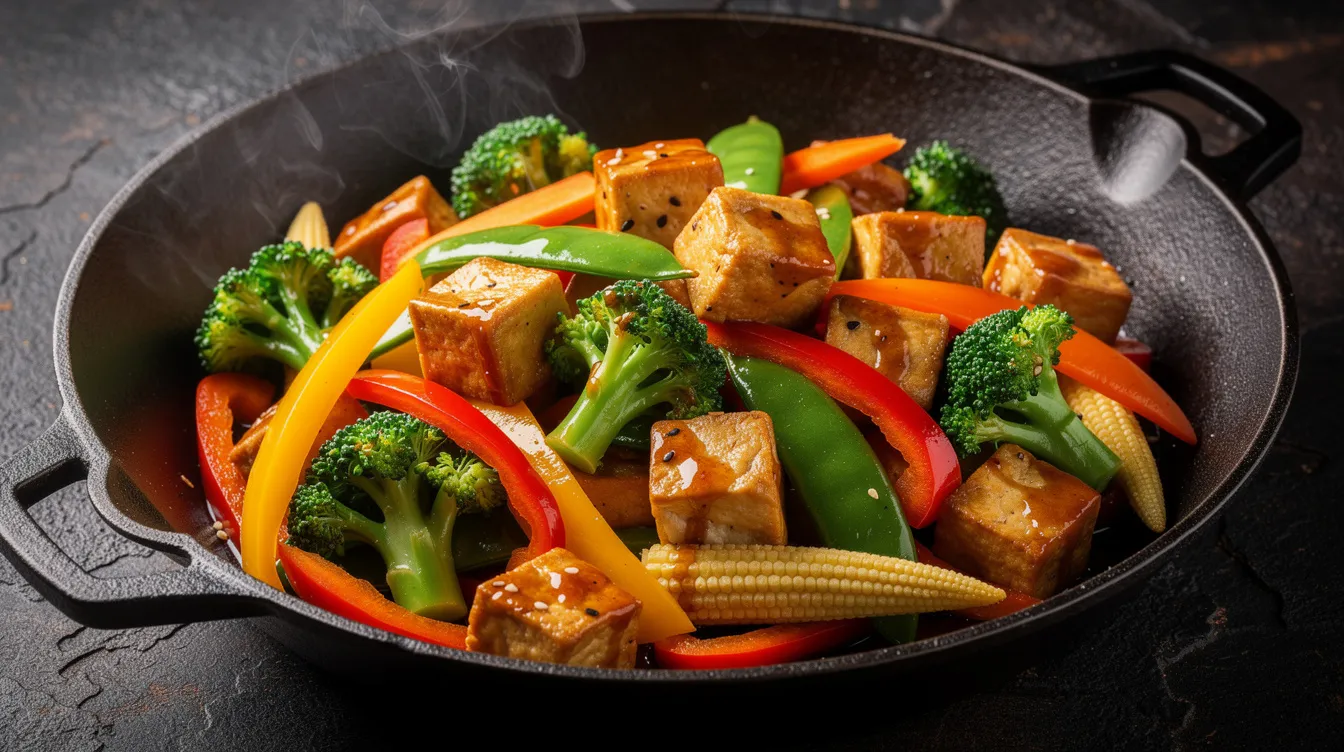
- Tofu stir fries with mixed vegetables: tofu provides complete plant-based protein with limited processing. Marinate firm tofu in soy sauce and garlic, then stir fry with pak choi, mushrooms and a splash of sesame oil. Around 25g protein and 320 calories.
- Three-bean chilli: mix kidney beans, black beans and pinto beans with tomatoes, spices and peppers. About 20g protein and 380 calories. Chickpeas deliver 15g protein per cup in hummus, so a side of hummus boosts this further.
- Buttermilk fried tofu with collard greens: a more adventurous option that’s ready in 25 minutes, proving tofu can be genuinely delicious.
Lentils are a hearty vegetarian protein source, delivering around 9g protein per 100g cooked. They work beautifully in soups, curries and salad bases.
Considerations
Some plant proteins are incomplete, so combining sources (pulses with grains, for example) ensures a full amino acid profile. Pork and beef eaters trying plant-based meals may need to experiment with flavour and seasoning.
Quick Comparison of Low Calorie High Protein Meals
| Meal Type | Protein Range | Calorie Range | Best For |
|---|---|---|---|
| Breakfast | 22–28g | 280–320 kcal | Starting the day with steady energy |
| Lunch | 28–30g | 280–320 kcal | Maintaining focus without afternoon crashes |
| Dinner | 24–45g | 290–420 kcal | Satisfying evening nutrition |
| Snacks | 14–18g | 150–200 kcal | Bridging meal gaps, hitting protein goals |
| Meal Prep | 22–26g | 340–400 kcal | Busy weeks requiring advance planning |
| Vegetarian | 20–25g | 320–380 kcal | Plant-based nutritional goals |
How to Choose the Right Low Calorie High Protein Meal
Choose Based on Your Schedule
If mornings are rushed, a Greek yogurt power bowl takes three minutes. If evenings allow more time, a proper stir fry or one-pan dinner rewards the effort. Match your meals to your real-life routine rather than aspirational cooking plans.
Choose Based on Your Protein Goals
The UK Reference Nutrient Intake for protein is 0.75g per kg of bodyweight, though many experts now recommend 1.0–1.2g/kg for active adults. Spreading protein across meals supports better muscle protein synthesis than loading it all into dinner.
Choose Based on Your Lifestyle
Consider your work environment, family protein needs, and budget. A salad or wrap works for desk-based lunches. A hearty curry or chicken pasta serves the whole family. Red wine vinegar dressings and simple marinades add flavour without adding many calories.
Which Low Calorie High Protein Meal Type Is Best for You?
- Struggle with mid-morning hunger? Start with high protein breakfast ideas
- Limited weekday time? Invest in Sunday meal prep
- Reducing meat? Explore vegetarian high protein options
- Not hitting daily targets? Add protein-rich snacks between meals
- Want easy high protein meals? Focus on one-pan dinners with minimal ingredients
Common Mistakes to Avoid with Low Calorie High Protein Meals
Ignoring other nutrients. Protein helps maintain muscle mass during weight loss, but fibre, healthy fats and micronutrients matter equally. Don’t eat chicken breast and nothing else.
Going too low on calories. Extremely low calorie recipes can backfire, leading to fatigue, nutrient deficiencies and poor adherence. Keep meals satisfying rather than feeling restricted.
No forward planning. Without preparation, convenience food wins. Even basic planning-knowing what you’ll eat tomorrow-makes a measurable difference.
Expecting dramatic results from diet alone. High protein diets can reduce cravings and support weight management, but results depend on overall lifestyle, activity level and consistency. No single meal plan guarantees outcomes.
Trusting marketing labels. In the UK, a product labelled “high protein” only needs 20% of its energy from protein. Always check grams per serving on the back of the pack.
Building Your Own Low Calorie High Protein Meals
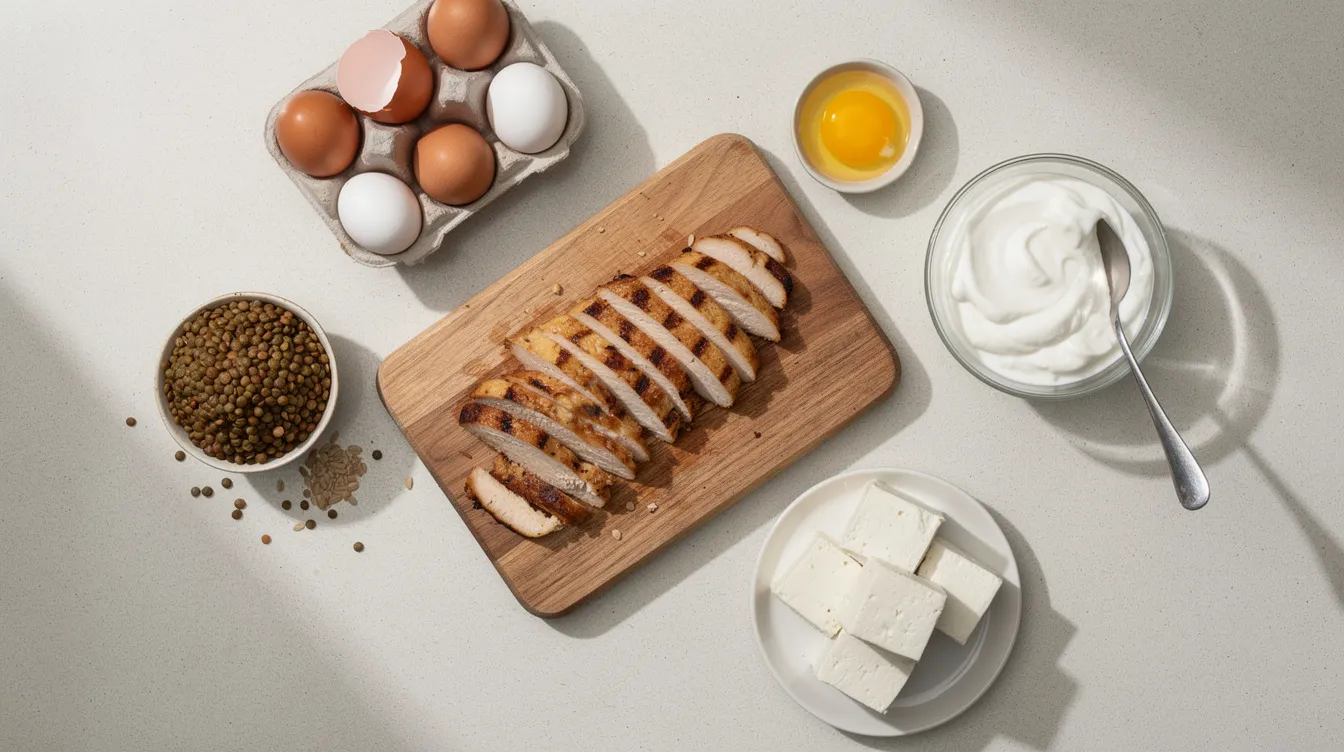
High-protein, low-calorie meals often rely on lean proteins like chicken breast and turkey. Here are protein-rich foods to build around:
| Ingredient | Protein per 100g | Notes |
|---|---|---|
| Chicken breast | ~31g | Versatile, widely available |
| Tinned tuna (in brine) | ~25g | Long shelf life, budget-friendly |
| Tofu (firm) | ~12–17g | Nutrient-dense plant protein |
| Greek yogurt (0% fat) | ~10g | Quick breakfast or snack base |
| Lentils (cooked) | ~9g | High in protein and fibre |
| Eggs | ~13g | Affordable, easy to cook |
| Quorn mince | ~14g | Good food for meat-free meals |
Simple formula for balanced meals:
- Pick a lean protein source (chicken, fish, tofu, eggs, pulses)
- Add fibre-rich vegetables (steamed greens and roasted vegetables are healthy sides)
- Include a moderate portion of complex carbs (sweet potato, rice, couscous)
- Finish with a small amount of healthy fats (olive oil, cheese, creamy avocado)
- Season generously (garlic, herbs, spices, sauce) for delicious recipes without minimal calories added
Fiber-rich vegetables help prevent blood sugar spikes and add volume to your plate. High protein meals help maintain stable energy and reduce cravings throughout the day, supporting your nutritional goals without requiring dramatic changes.
Use an air fryer for quick cooking with less oil-it works brilliantly for chicken, tofu and fish.
Final Thoughts
The best low-calorie high-protein meals are the ones that fit your schedule, suit your taste, and become part of your routine without stress. Consistency matters far more than perfection, and protein-rich meals can help keep you full while managing calorie intake naturally.
You don’t need to overhaul everything at once. Start with one or two swaps-a better breakfast, a planned snack-and build from there. These healthy low-calorie meals work best as part of an overall balanced lifestyle that includes movement, rest and good food you genuinely enjoy.
For more practical ideas and features on healthy eating, explore FEAST Online Magazine.
Frequently Asked Questions
How much protein do I need per day? The UK RNI is 0.75g per kg of bodyweight (roughly 45g for women, 55g for men), but many nutrition experts recommend 1.0–1.2g/kg for general health and active lifestyles. Prepare your meals to spread protein evenly across the day.
Can low-calorie high-protein meals help with weight loss?
They can support weight loss by increasing fullness and reducing overall calorie intake. However, results depend on your total diet, activity level and individual circumstances. No single meal type guarantees weight loss.
Are these meals suitable for vegetarians?
Absolutely. Tofu, lentils, chickpeas, eggs, cheese, and Greek yogurt all provide substantial protein. Mix and combine sources for complete amino acid profiles in balanced meals.
How do I meal prep high protein foods safely?
Store cooked meals in the fridge for up to 3–4 days, or freeze for longer. Reheat thoroughly to safe temperatures. Keep meat and dairy refrigerated, and use airtight containers.
What’s the best time to eat protein throughout the day?
Spread protein across breakfast, lunch and dinner rather than concentrating it in one meal. This supports muscle maintenance and keeps energy levels more consistent.
Can I build muscle with low calorie high protein meals?
Protein supports muscle repair and growth, but building muscle also requires adequate overall calories and resistance training. Very low calorie eating may limit muscle gains.
Are protein supplements necessary alongside these meals?
For most people eating a varied diet with high-protein recipes at each meal, supplements aren’t essential. They can be useful for convenience or if you struggle to meet targets through whole foods alone. Check trusted guidance from sources like the NHS for personalised advice.
How do I make these meals more filling?
Add fibre-rich vegetables, include a portion of complex carbs, and don’t skip healthy fats entirely. A drizzle of olive oil or a few slices of avocado makes a dish more satisfying without dramatically increasing calories.