

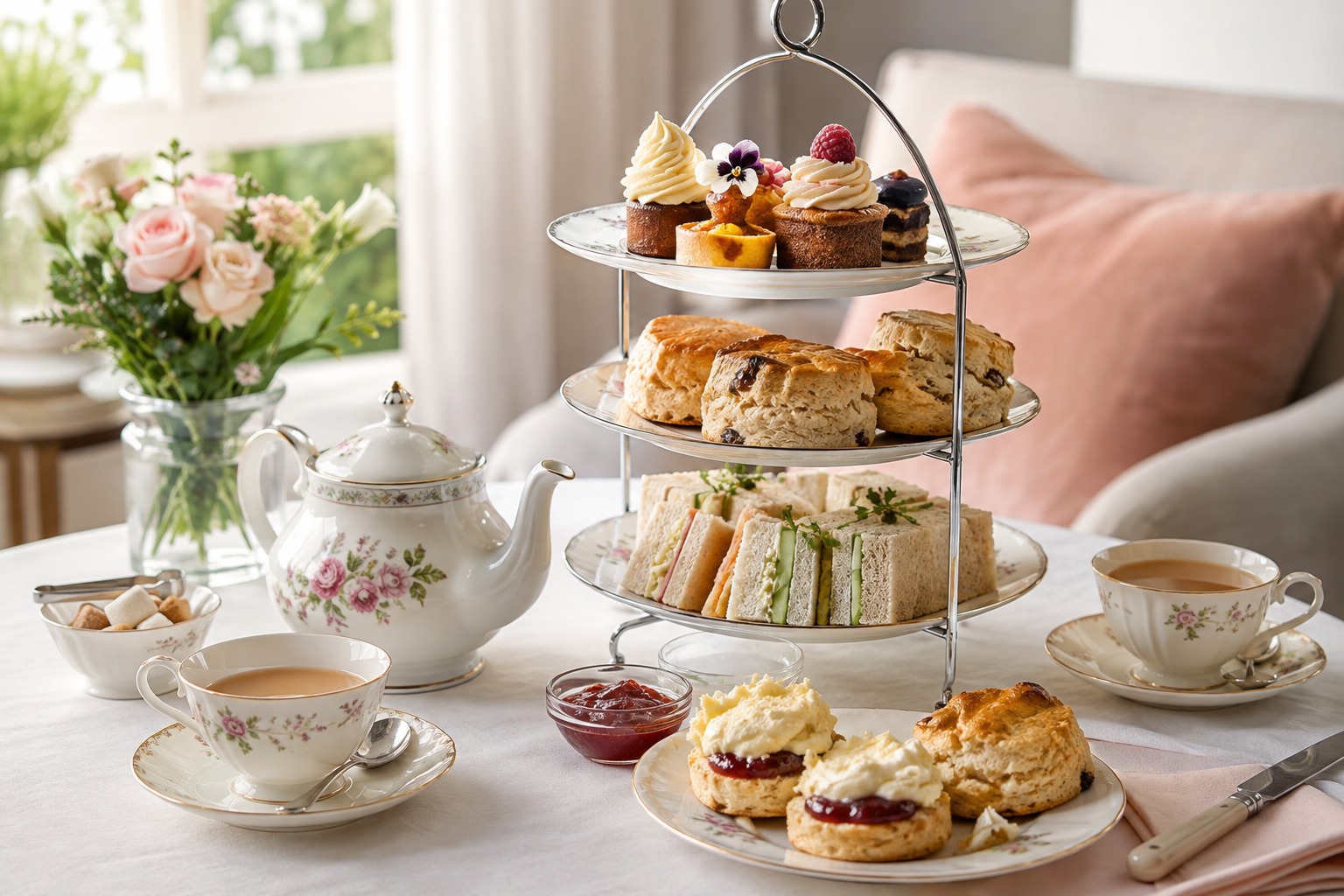
Afternoon Tea Week 2026 runs from 10 to 16 August 2026, offering the perfect opportunity to bring one of Britain’s best-loved food traditions into your own home. The celebration puts finger sandwiches, freshly baked scones, cakes and, of course, a good pot of tea firmly in the spotlight.
The good news is that celebrating Afternoon Tea Week 2026 at home does not require a hotel dining room or an elaborate menu. With a little planning, a mix of homemade and shop-bought favourites and a few thoughtful presentation touches, you can create an afternoon tea that feels special without spending the entire day in the kitchen.
Whether you are planning a garden gathering, celebrating with family or searching for afternoon tea ideas at home, this practical guide explains how to plan the menu, portions, tea selection, table setting and preparation without unnecessary expense or stress.
Quick Answer: What Do You Need for Afternoon Tea Week 2026 at Home?
- Two or three varieties of finger sandwiches
- Plain or fruit scones
- Clotted cream and strawberry jam
- Two or three small cakes or sweet treats
- A choice of tea
- Milk, lemon and sugar
- A tiered cake stand or serving plates
- Small plates, cups, saucers and napkins
You do not need to make every item from scratch. A successful afternoon tea balances savoury and sweet choices, presents them neatly and gives guests time to enjoy the food together at a relaxed pace.
If you want more background before planning your table, FEAST Magazine also has a useful guide to what to serve at afternoon tea.
Why Host Afternoon Tea Week 2026 at Home?
Afternoon tea has long been associated with British hospitality, but hosting it yourself gives you far more freedom than following a fixed restaurant menu.
You can choose your favourite sandwich fillings, experiment with different cakes, accommodate dietary requirements and make the occasion as relaxed or as elegant as you like.
For Afternoon Tea Week 2026, an at-home gathering can also be considerably more affordable than booking a luxury hotel experience, particularly when entertaining a larger family or group of friends.
The official Afternoon Tea Week celebration runs from 10 to 16 August 2026, making this a particularly good week to plan your own version of the British tradition.
Plan a Simple Afternoon Tea Week 2026 Menu
One of the easiest mistakes when deciding how to host afternoon tea is preparing too much food.
Instead of trying to create ten different dishes, concentrate on a smaller selection that offers a good balance of savoury and sweet flavours.
A balanced afternoon tea menu for four people could include:
Savouries
- Cucumber and cream cheese sandwiches
- Egg mayonnaise and cress sandwiches
- Smoked salmon and soft cheese sandwiches
Scones
- Plain scones
- Fruit scones
- Clotted cream
- Strawberry or raspberry jam
Sweet Treats
- Mini Victoria sponge cakes
- Lemon drizzle slices
- Chocolate brownies or macarons
Drinks
- English Breakfast tea
- Earl Grey
- Herbal or fruit tea
- Sparkling water or homemade lemonade
This gives guests enough variety without creating unnecessary work.
Start With Classic Afternoon Tea Sandwiches
Finger sandwiches are one of the easiest ways to create an instantly recognisable afternoon tea table.
Keep the sandwiches small and use several fillings rather than serving large portions of a single variety.
- Cucumber and cream cheese
- Egg mayonnaise and cress
- Coronation chicken
- Smoked salmon and cream cheese
- Ham and mustard
- Mature Cheddar and chutney
Remove the crusts for the traditional presentation, then cut each sandwich into fingers or small triangles.
Try to prepare sandwiches reasonably close to serving time. If they need to be made earlier, cover them carefully so that the bread does not dry out.
For inspiration beyond the traditional combinations, FEAST has previously looked at creative sandwich ideas and techniques in its feature on the secret to the perfect sandwich.
You can also introduce one unexpected flavour alongside the classics. FEAST’s previous Afternoon Tea Week feature shows how traditional afternoon tea flavours can be given a more unusual twist.
Make Scones the Centrepiece
For many guests, scones are the highlight of a traditional afternoon tea.
Serve them slightly warm if possible, with separate bowls of clotted cream and jam so everyone can assemble their own.
Plain scones are the safest option for a mixed group, but fruit scones can add variety. Mini scones also work particularly well when the table already includes several sandwiches and cakes.
If baking is not your strength, good-quality bakery scones are perfectly acceptable. Warm them briefly before serving and present them in a basket lined with a clean napkin.
Classic British desserts remain hugely popular, and FEAST’s look at Manchester’s most searched desserts includes scones alongside other familiar favourites such as Victoria sponge and carrot cake.
Choose Two or Three Cakes Instead of Too Many
A beautiful afternoon tea does not need a huge dessert table.
Choose two or three sweets with different flavours and textures.
- Something light: lemon drizzle cake
- Something traditional: Victoria sponge
- Something rich: chocolate brownie
Small portions are better than full-sized slices because guests will normally have already eaten sandwiches and scones.
Other easy afternoon tea party ideas include:
- Mini fruit tarts
- Shortbread
- Madeleines
- Macarons
- Cupcakes
- Chocolate-dipped strawberries
- Mini cheesecakes
A mixture of homemade and carefully presented shop-bought desserts can save considerable preparation time.
Include a Vegan or Dietary-Friendly Option
If guests have different dietary requirements, plan at least one option they can enjoy rather than expecting them simply to skip part of the menu.
A vegan afternoon tea, for example, might include hummus and cucumber sandwiches, plant-based cakes, fruit and dairy-free scones.
FEAST has previously explored how a vegan afternoon tea can still include the familiar combination of finger sandwiches, scones and desserts.
For allergies and intolerances, ask guests about their requirements before shopping, check ingredient labels carefully and keep suitable food separate where cross-contamination could be a risk.
Pick Teas That Work With the Food
There is no need to offer dozens of varieties.
Two or three choices are usually plenty.
English Breakfast works well as an all-round option with both sweet and savoury foods.
Earl Grey brings a lighter citrus character that pairs well with cakes and pastries.
Peppermint, berry or herbal tea provides a caffeine-free alternative.
If you want something more summery during Afternoon Tea Week, iced tea can also work well for a garden gathering.
Prepare fresh hot water when guests are ready rather than leaving tea sitting for too long.
Use a Three-Tier Afternoon Tea Stand Properly
If you have a three-tier stand, a traditional and visually effective arrangement is:
- Bottom tier: sandwiches and savouries
- Middle tier: scones
- Top tier: cakes and pastries
Do not worry if you do not own a tiered stand.
Cake stands, wooden serving boards and attractive plates at different heights can create a similar effect.
The goal is simply to make the table feel abundant and inviting without overcrowding it.
For inspiration on how professional venues present their food, take a look at FEAST’s coverage of The Dilly’s London-themed afternoon tea.
Easy Afternoon Tea Table Ideas
You do not need expensive decorations to make a homemade afternoon tea feel special.
- A simple white or patterned tablecloth
- Fresh garden flowers
- Small handwritten place cards
- Cloth or colourful paper napkins
- Vintage or mismatched teacups
- A cake stand as the table centrepiece
If the weather is good, move the occasion into the garden.
An outdoor table, fresh flowers and a jug of lemonade can make even a simple menu feel like a proper summer event.
FEAST’s picnic packing guide also offers useful inspiration if you are turning your afternoon tea into an outdoor gathering.
Afternoon Tea Portions: How Much Food Per Person?
It is easy to over-cater for afternoon tea because everything looks small individually.
As a general starting point for each adult, plan approximately:
| Item | Per Person |
| Finger sandwiches | 3–4 |
| Scones | 1–2 |
| Small cakes/pastries | 2–3 |
| Tea | 2–3 cups |
Increase the quantities slightly if afternoon tea will replace lunch rather than being served between meals.
For children, smaller portions and simpler sandwich fillings usually work best.
Afternoon Tea Preparation Timeline
A relaxed host normally creates a better atmosphere than one who spends the entire gathering disappearing into the kitchen.
The day before, you can:
- Bake cakes
- Prepare fillings
- Set out plates and serving equipment
- Chill drinks
- Arrange decorations
- Check dietary requirements
On the day, concentrate on sandwiches, warming scones and brewing the tea.
This approach makes homemade afternoon tea much easier to manage.
Create a Modern Afternoon Tea if You Prefer
Tradition provides a useful starting point, but there is no reason your menu has to be completely conventional.
Modern afternoon teas increasingly mix British favourites with different ingredients, cuisines and presentation styles.
You could try:
- Mini bao instead of one sandwich variety
- Savoury cheese scones
- Pistachio cakes
- Matcha desserts
- Indian-inspired sandwiches
- Mini tartlets
- Seasonal fruit pastries
FEAST has covered plenty of creative interpretations over the years, including a honey-focused Bee Afternoon Tea featuring both traditional and less conventional flavours.
The best approach is to keep a few recognisable classics and add one or two elements that make your own table memorable.
At-Home Afternoon Tea Checklist
- Sandwiches prepared
- Scones ready to warm
- Jam and clotted cream
- Cakes portioned
- At least two tea options
- Milk, sugar and lemon
- Kettle filled
- Cups and saucers
- Small plates
- Teaspoons
- Napkins
- Serving plates or cake stands
- Water or another cold drink
- Dietary alternatives clearly separated
A checklist is particularly useful when hosting a larger group because small essentials such as milk, teaspoons or serving utensils are surprisingly easy to forget.
Frequently Asked Questions About Afternoon Tea Week 2026
When is Afternoon Tea Week 2026?
Afternoon Tea Week 2026 runs from 10 August to 16 August 2026 across the UK.
What food is traditionally served at afternoon tea?
A traditional afternoon tea normally includes finger sandwiches, scones with clotted cream and jam, small cakes or pastries and tea.
What are the best afternoon tea ideas at home?
Keep things simple with three sandwich fillings, warm scones, two or three small desserts and a choice of teas. Flowers, attractive crockery and a tiered serving stand can make a straightforward menu feel much more special.
How do you host afternoon tea without spending too much?
Make the sandwiches yourself, choose supermarket or bakery scones, bake one cake and buy another dessert. Simple presentation can create a luxurious feel without requiring luxury ingredients.
What time should afternoon tea be served?
Afternoon tea is typically enjoyed between lunch and dinner, making the middle to late afternoon a natural time to serve it.
Can you prepare afternoon tea the day before?
Cakes, fillings and decorations can usually be prepared in advance. Sandwiches and tea are better prepared closer to serving so that they remain fresh.
Make Afternoon Tea Week 2026 Your Own
Afternoon Tea Week 2026 is an ideal opportunity to enjoy a classic British tradition without leaving home.
Start with familiar favourites such as finger sandwiches, freshly baked scones, clotted cream and cake, then personalise the menu with flavours your guests genuinely enjoy.
The most successful afternoon tea does not have to be elaborate. A balanced menu, thoughtful presentation and unhurried time around the table are what make the occasion memorable.
With a little preparation, these simple afternoon tea ideas at home can turn an ordinary August afternoon into something worth celebrating.